Loading
 Back to Wine List
The Collection
Ancient technique, modern rediscovery.
The Selection
Browse current orange bottles available through the Bar Torino bottle shop before reading the deeper style notes below.
8,000 Years
Before presses made it easy to separate juice from skins, white grapes were simply crushed and left to ferment with them. That is all orange wine is: white grapes made the way red wine is made, and it is the oldest way of making wine there is.
The juice, in prolonged contact with the skins, seeds, and sometimes stems of white grapes, extracted pigment, tannin, and a range of phenolic compounds that turned it amber, gold, or copper, producing a wine that looked nothing like what the modern world thinks of when it hears the word "white."
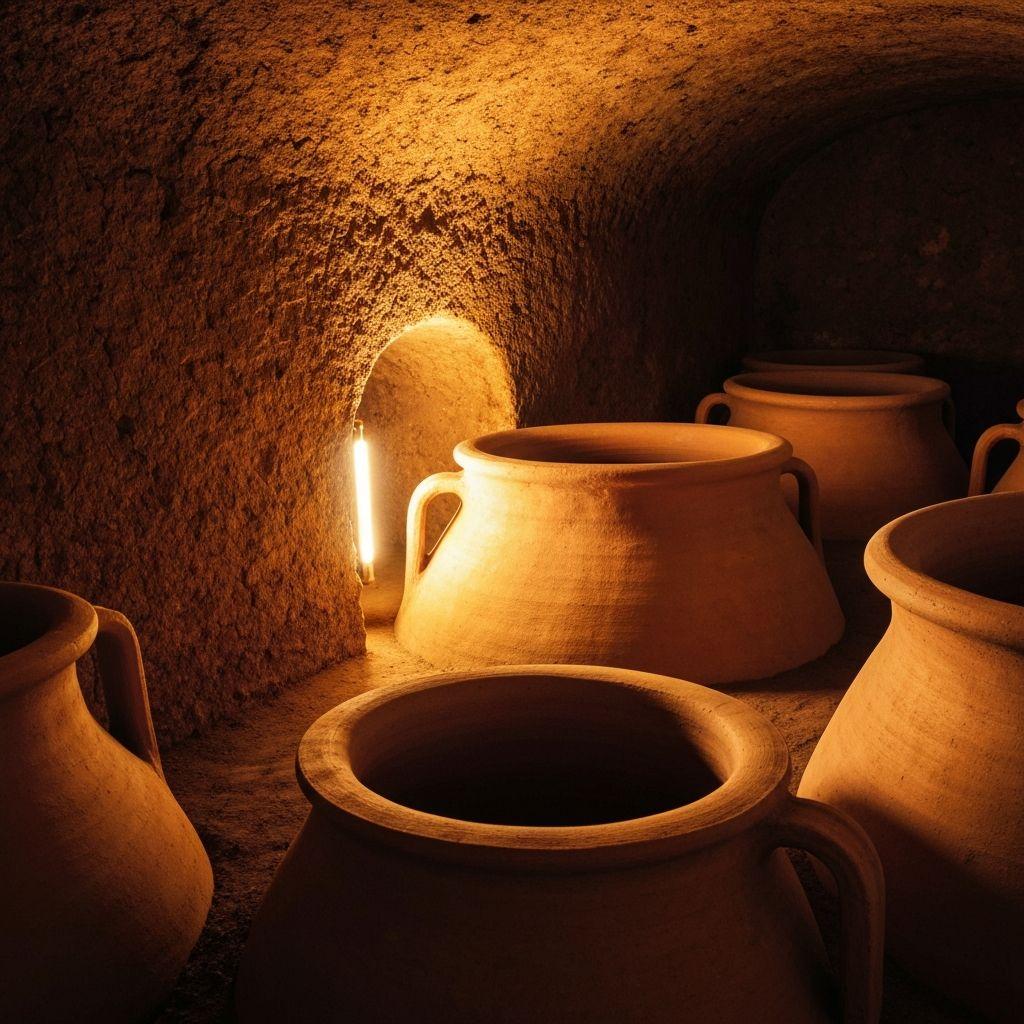
Georgia holds some of the earliest archaeological evidence of winemaking, around 8,000 years old. Its tradition of fermenting grapes on their skins in large clay vessels called qvevri, lined with beeswax, sealed, and buried in the ground, continues today.
UNESCO added the Georgian qvevri method to its Intangible Cultural Heritage list in 2013.
The Revival
For most of the twentieth century, white wine everywhere moved toward the same clean, pale, quickly pressed style.
In the borderland between Friuli in Italy's far northeast and Slovenia, winemakers began going back to long skin contact for their white grapes, looking for the depth and texture that modern whites had lost.
From there the style spread through Slovenia, the rest of Europe, and beyond. Today orange wine is made from Georgia to California.
Not a white, not a red: white grapes, made like a red.
On Our Shelf
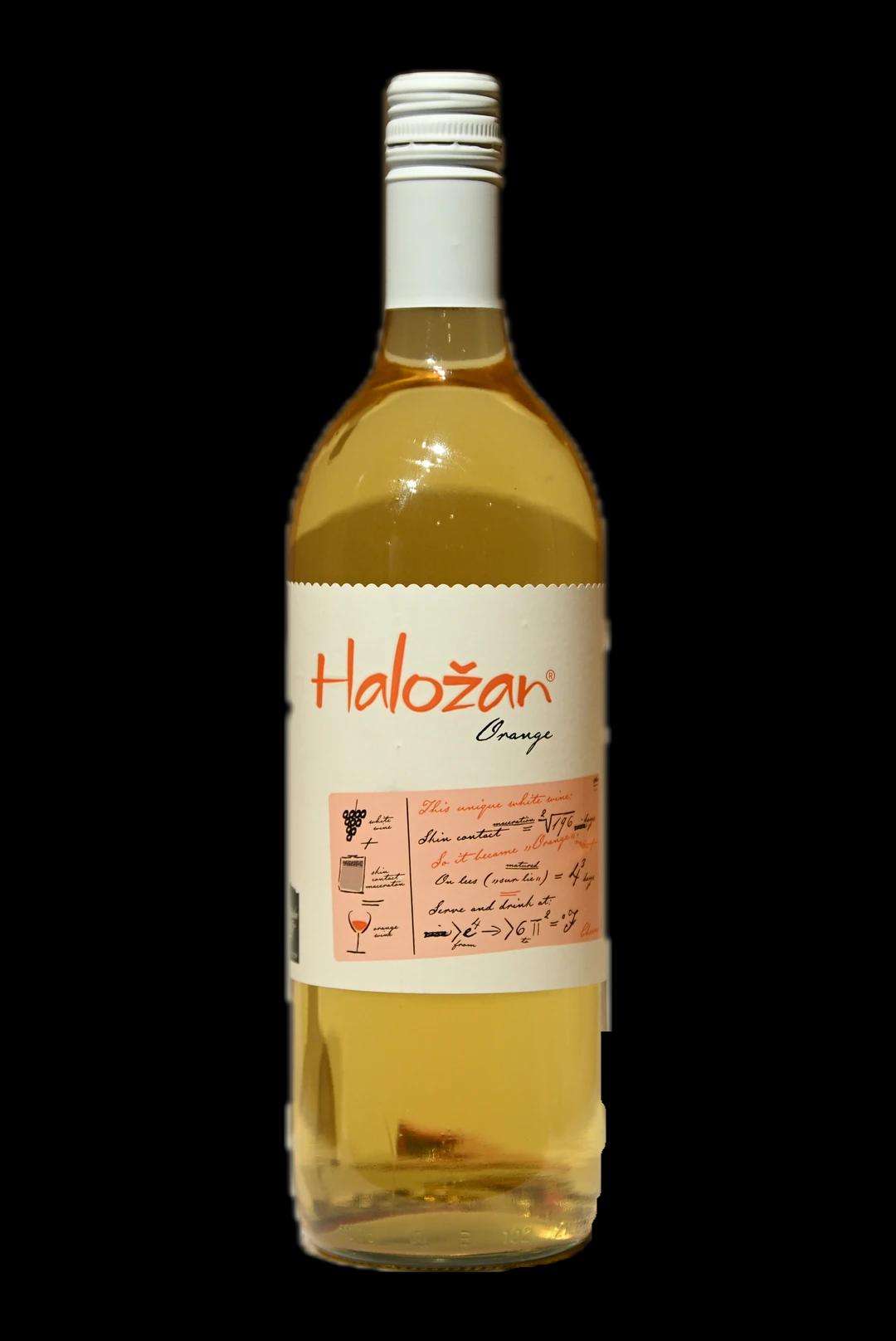
A producer from Slovenia, where skin-contact whites are made across the country and especially in the west, along the Italian border.
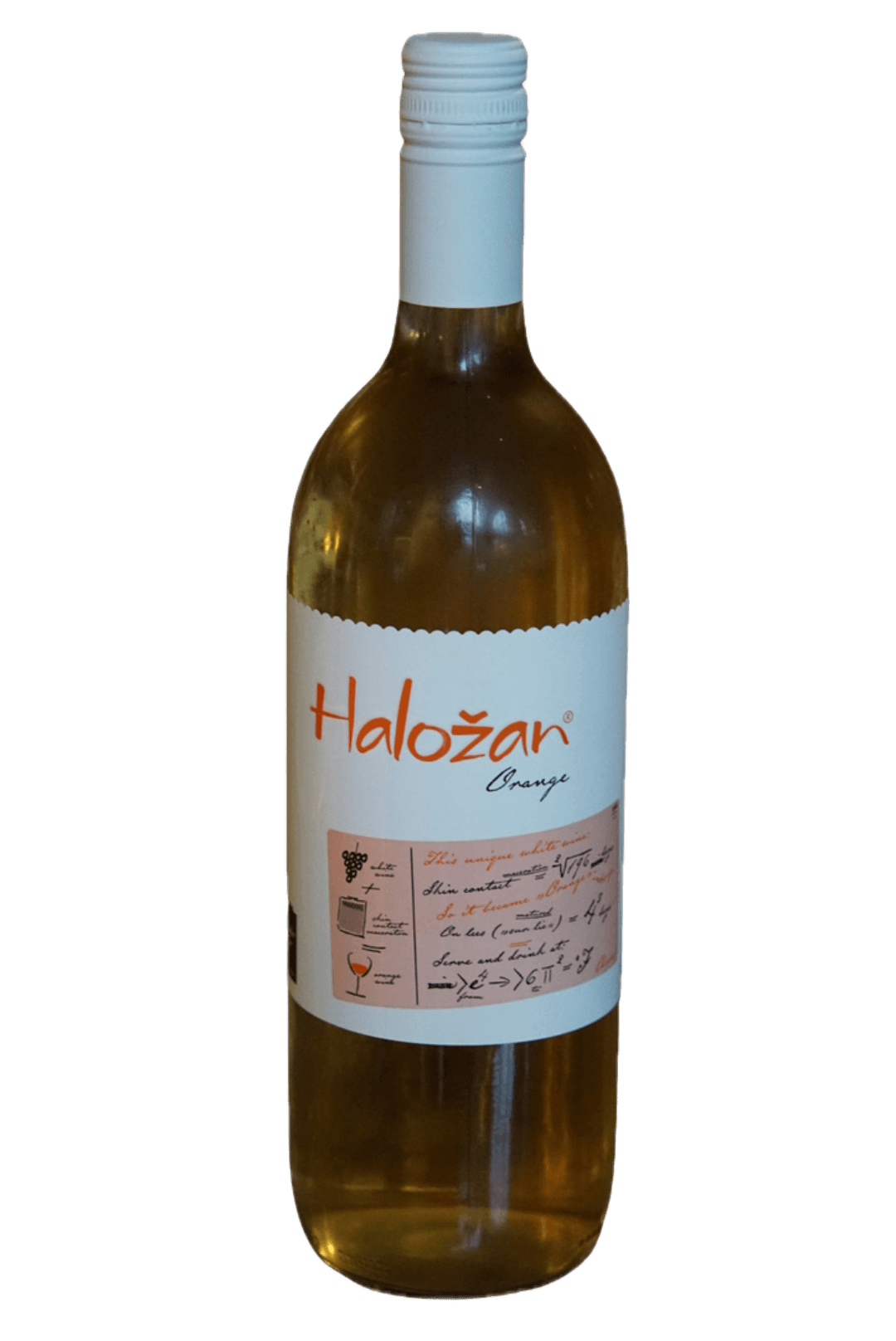
We carry two of its skin-contact wines: the Haložan Orange and the Pinot Grigio Orange. Pinot Grigio is a pink-skinned grape, so time on the skins gives it a copper tint and more texture than a conventional Pinot Grigio.
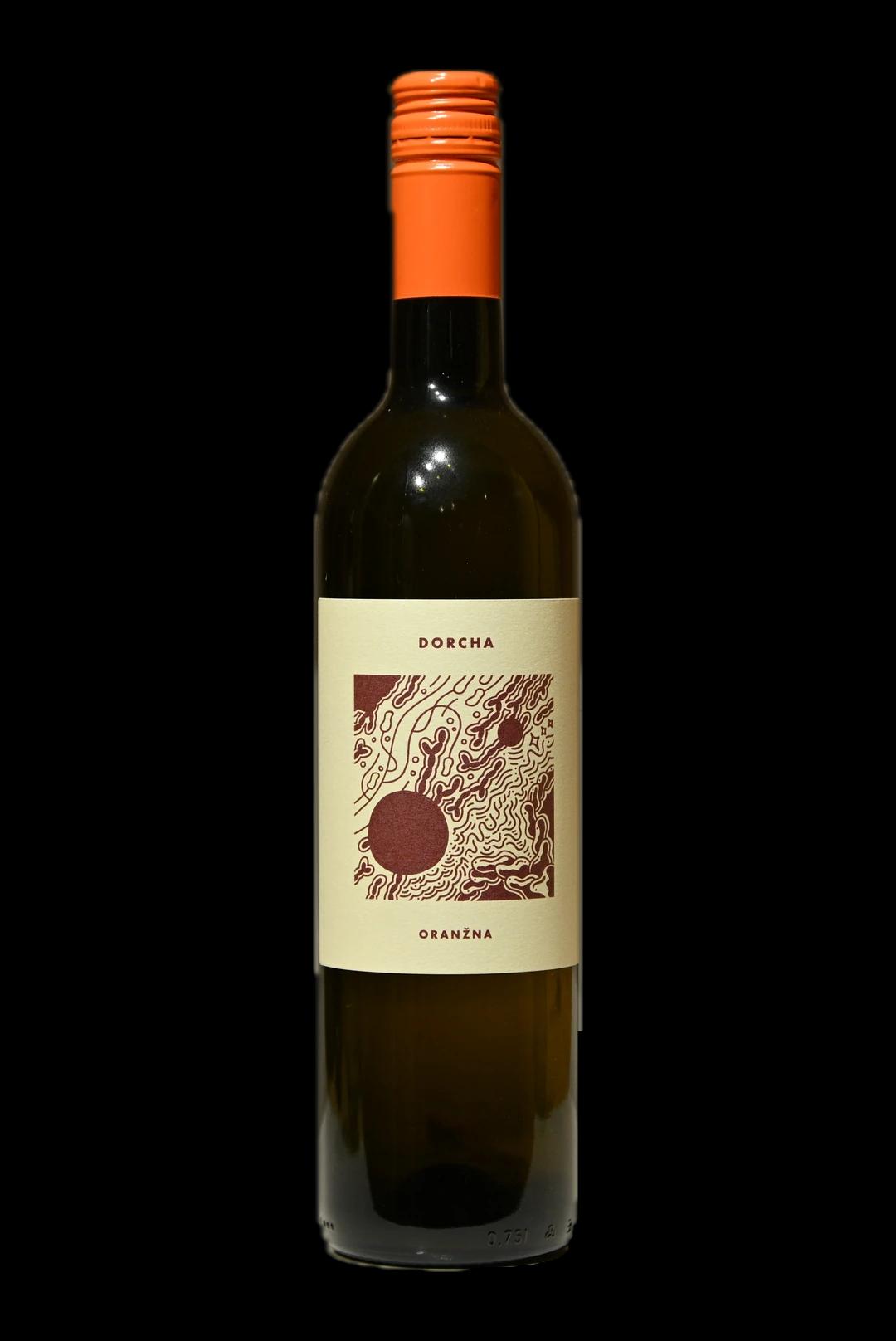
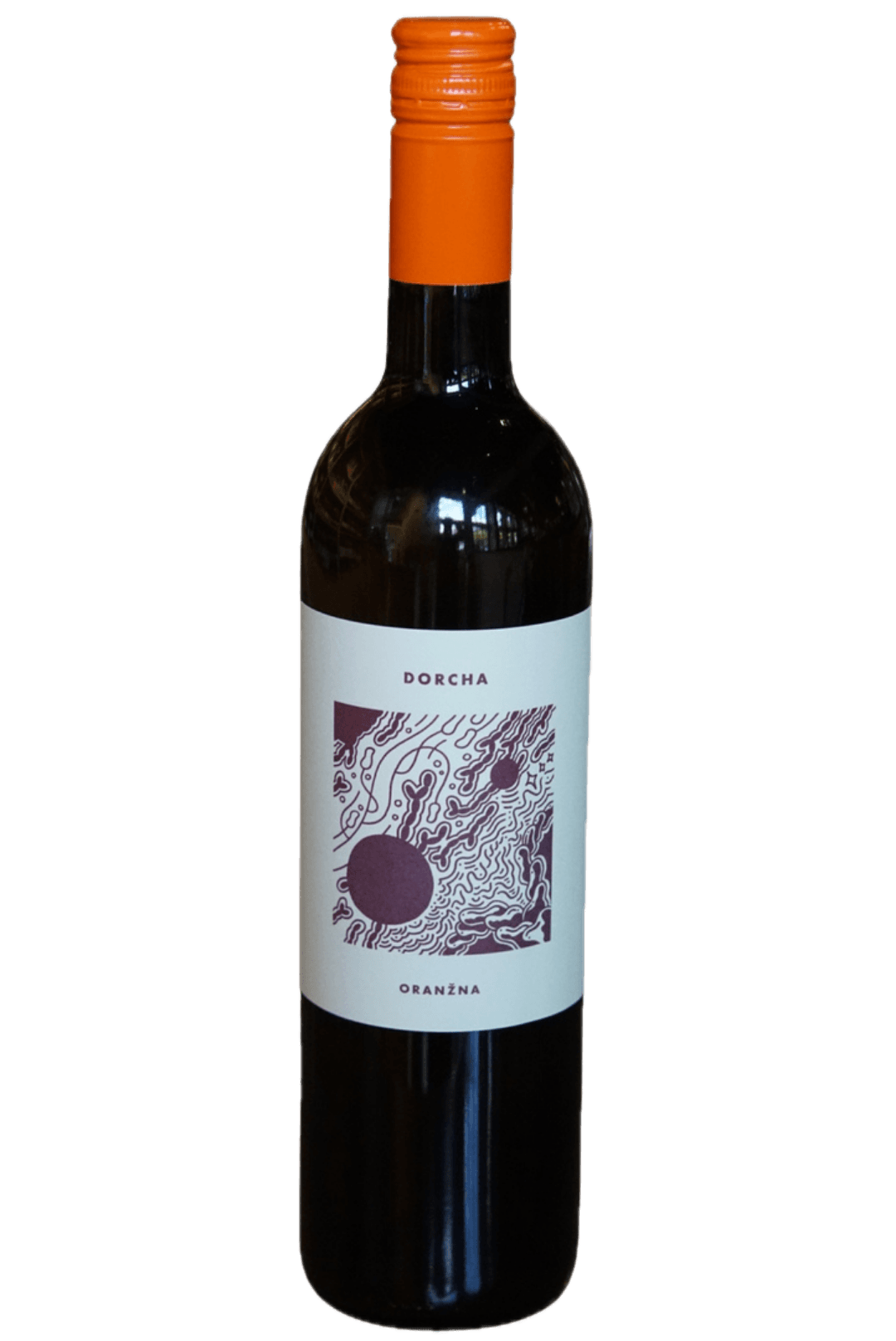
Dorcha's Oranžna, whose name is simply the Slovenian word for orange, is a white wine fermented on its skins.
Also on the shelf: Cluricaun Branco Skin and Limited Addition Orange Crush. See the current list above for everything in stock.
The Method
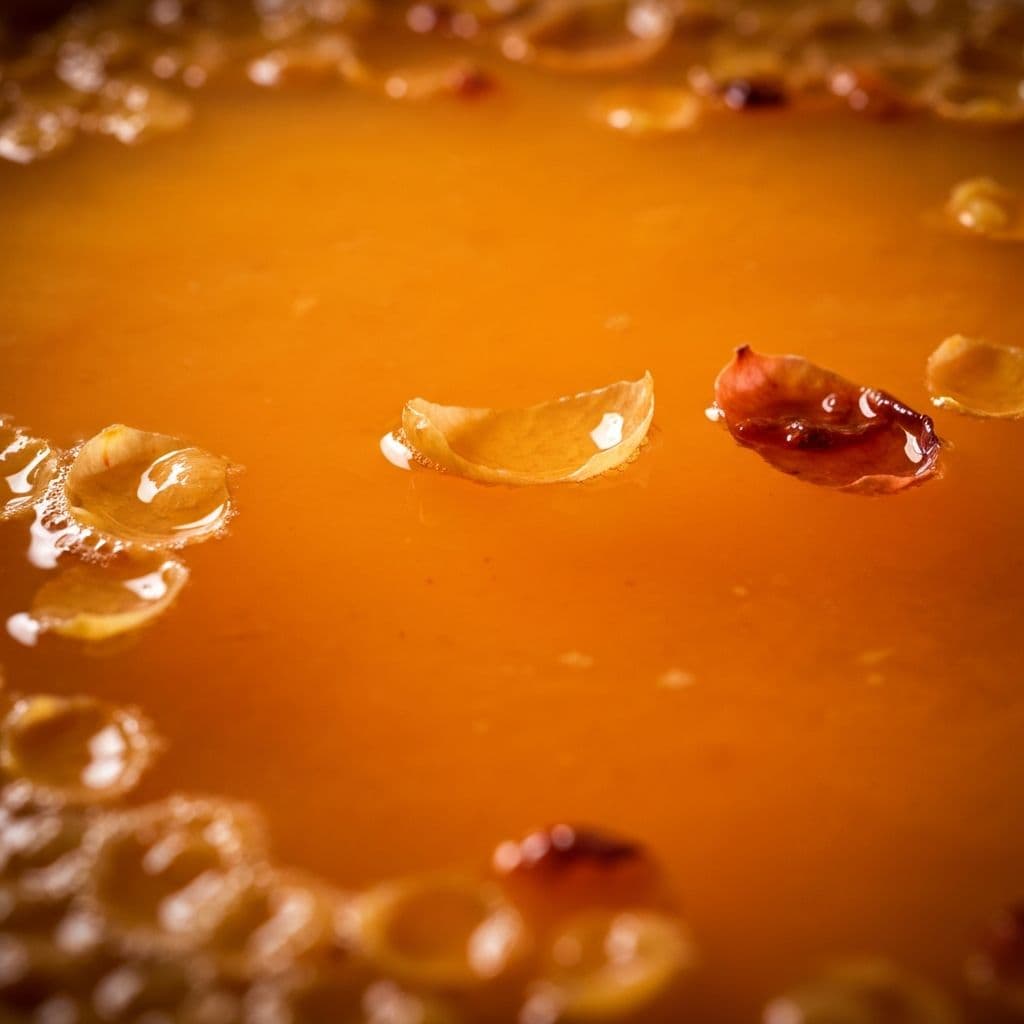
At its core, elegantly simple: make white wine the way you would make red wine.
Instead of separating juice from skins immediately, leave them together for days, weeks, or months.
The skins release color, tannin, and phenolic compounds, transforming the wine amber, gold, or copper.
Many producers rely on native yeasts and add little or no sulfur, letting fermentation run its own course.
A few days on the skins gives a light, gently textured wine; months give deep color and firm tannin. Some wines then age in clay, oak, or steel before release.
The Varieties
The defining grape
Native to the hills of Collio and Goriska Brda, traceable to the thirteenth century. Thick skins yield generous tannin and deep amber color, which made it the classic grape of the Friulian and Slovenian skin-contact revival.
The transformation
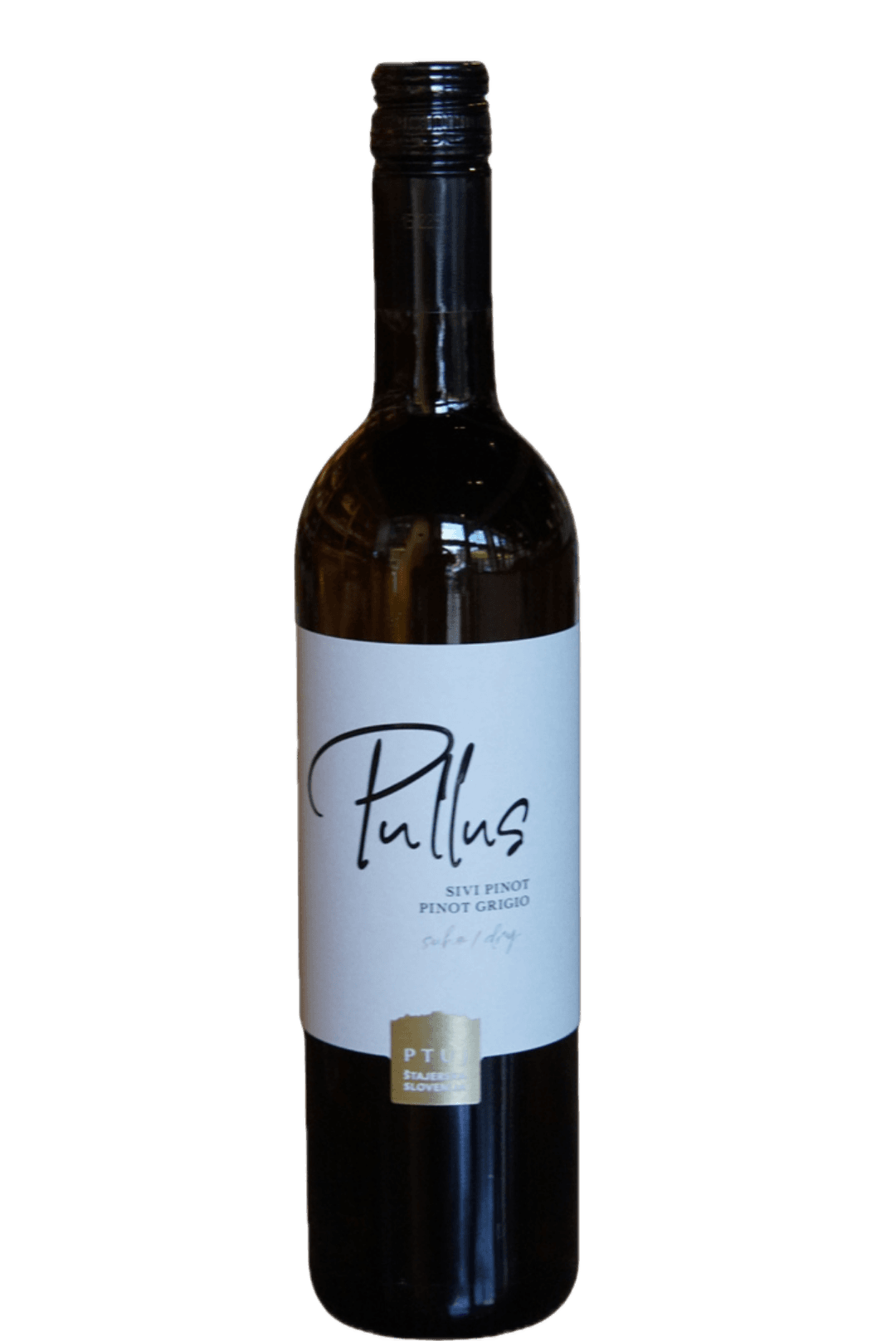
Despite its reputation as a light, neutral white, Pinot Grigio is actually a pink-skinned grape. When macerated, it reveals its true nature: copper-pink hue and textural weight completely absent from conventional versions. Try it in the Pullus Pinot Grigio Orange.
The international
Not indigenous to Friuli but grown there for generations. Responds well to extended maceration, gaining texture and complexity while losing some varietal typicity. Contributes body and roundness to blends.
The lift
An aromatic grape that brings lift and acidity, whether on its own or in a skin-contact blend.
2
Countries
20km
To Adriatic
Ponca
Ancient Soils
The Terroir
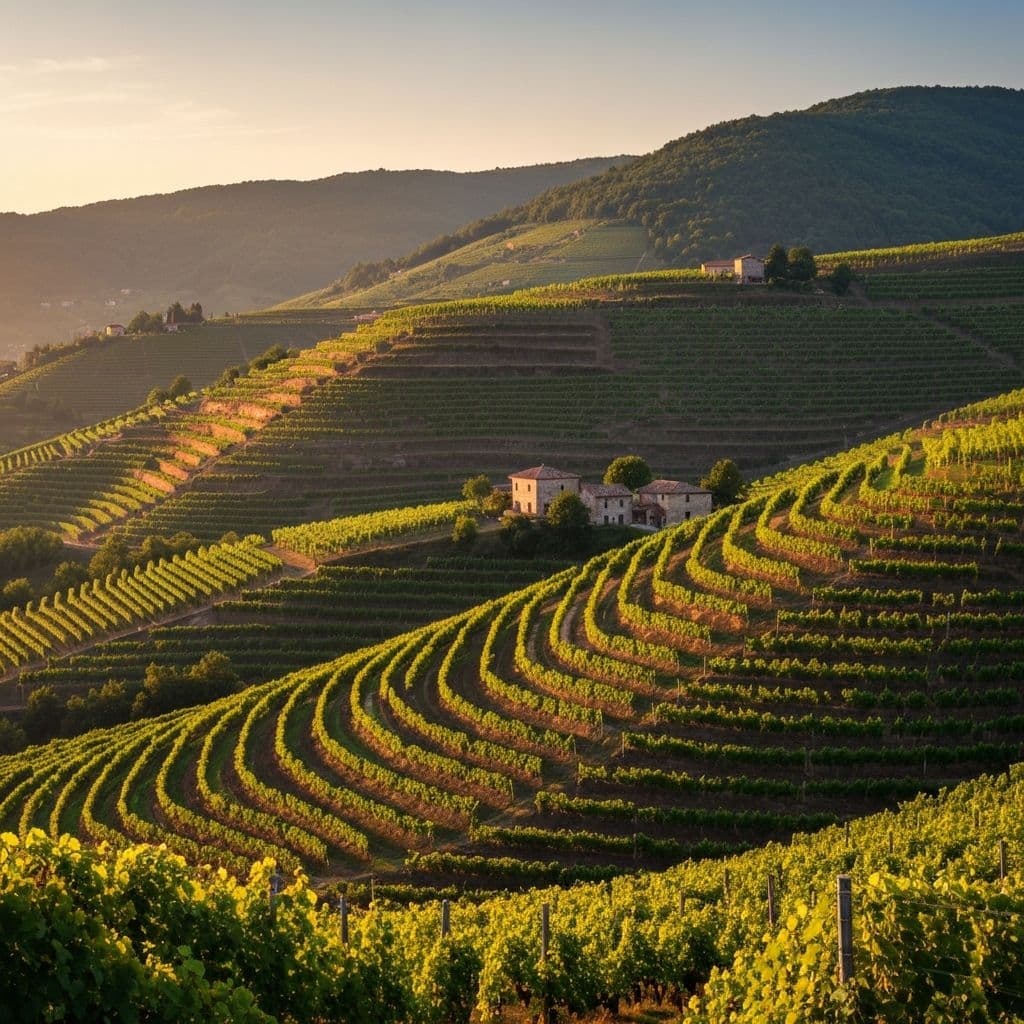
The hills of Collio, above Gorizia in Italy's far northeastern corner, run straight across the border into Slovenia's Goriška Brda. It is one landscape split between two countries, and the heartland of the modern skin-contact revival.
The soils, known locally as ponca (Italian) or opoka (Slovenian), are ancient sedimentary marls: alternating layers of sandstone and clay, deposited millions of years ago when this area was an ocean floor.
Growers credit ponca with the saline, mineral edge of the region's best wines.
At The Table
Orange wine has the aromatics and acidity of a white, the tannin and structure of a light red, and a savory depth that belongs to neither category.
Tannin and acidity cut through fat and salt
Nutty, crystalline qualities echo the wine
Savory depth harmonizes with umami
Handles fermented flavors, spice, and funk
Structure meets complexity
Acidity cleanses, tannins refresh
At Bar Torino
Orange wine alongside the meatballs, with their sharp provolone and from-scratch marinara. The Calabrian wings with chili heat and citrus brine. Even the white pizza with mushrooms and ricotta.
How To Serve
12-16°C
Cooler than most reds, warmer than most whites. Too cold suppresses aromatics; too warm loses freshness.
Decant
Exposure to air opens these wines dramatically. Use a wide-bowled glass, not narrow flutes.
Patience
The first sip may be austere. The fifth, thirty minutes later, honeyed and complex. Time rewards.