Loading
 Back to Wine List
The Collection
Crisp, aromatic, and endlessly versatile.
The Selection
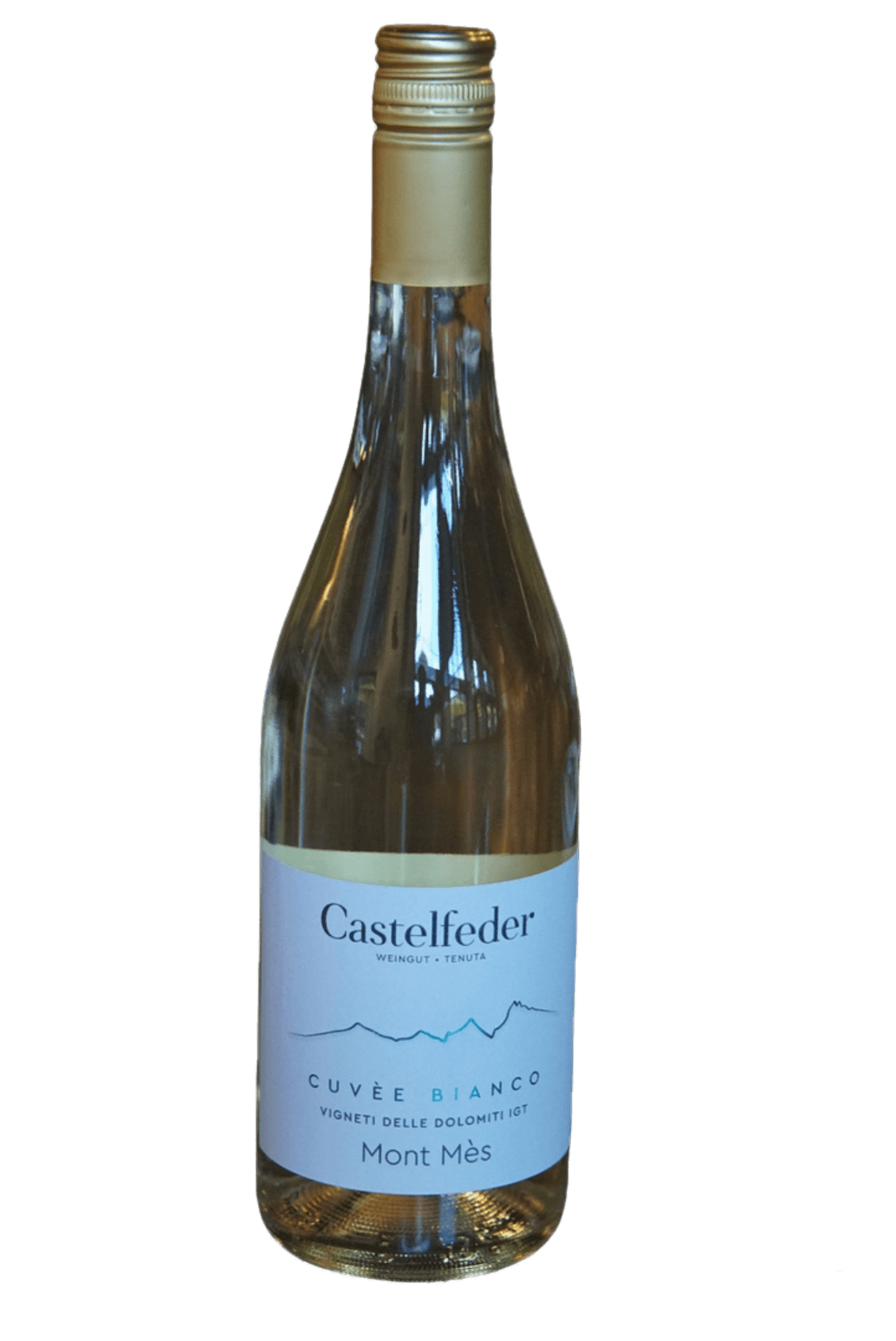
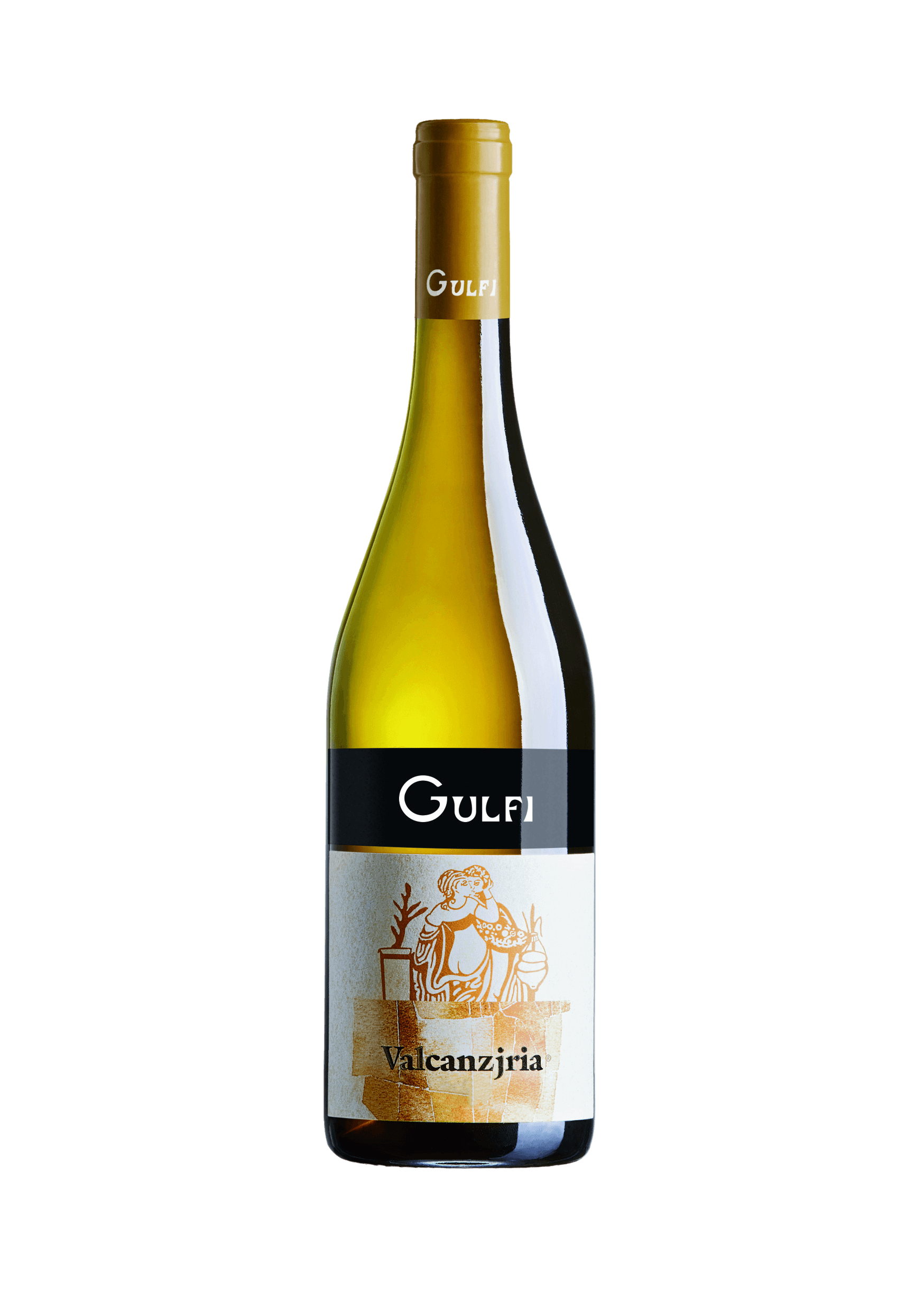
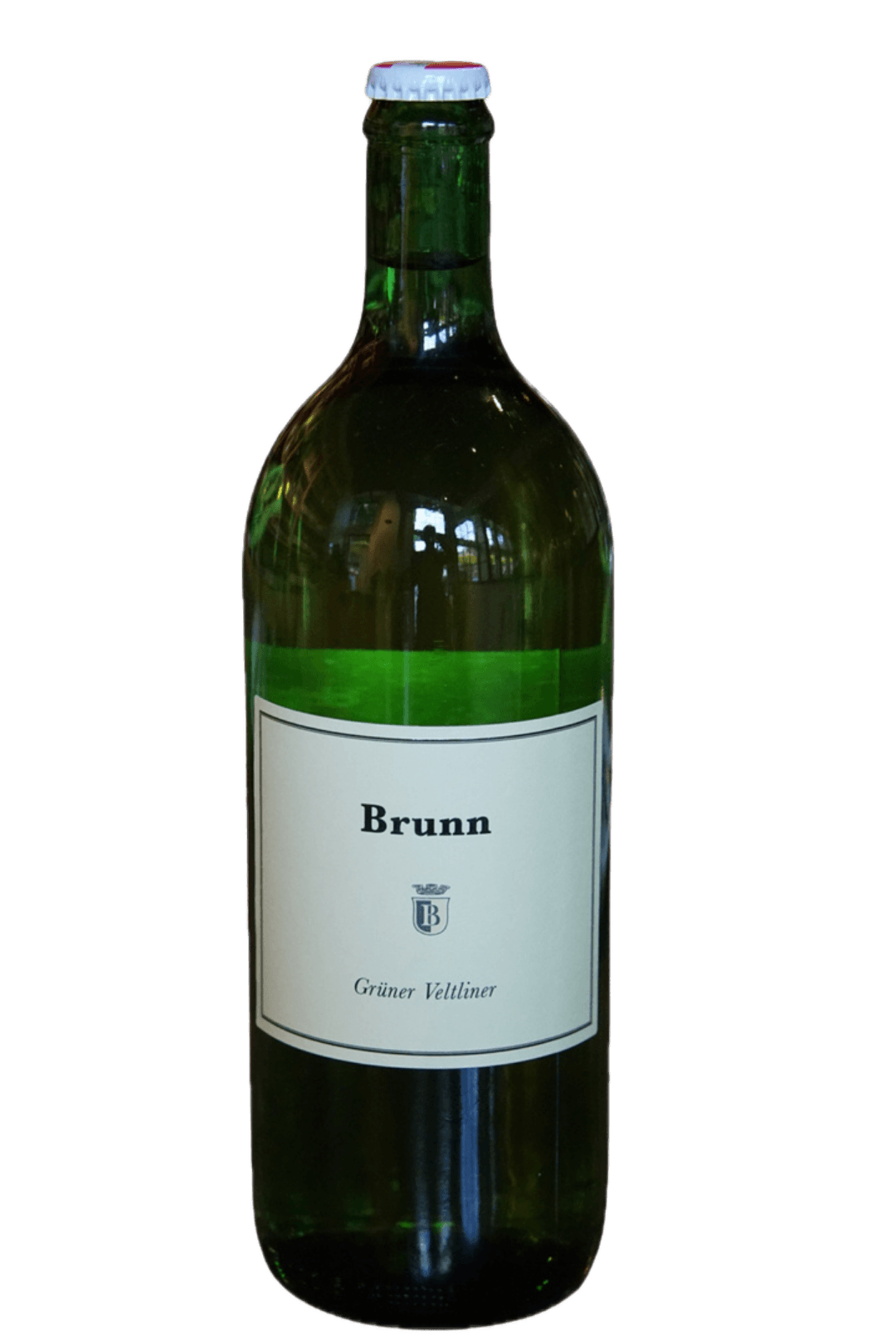
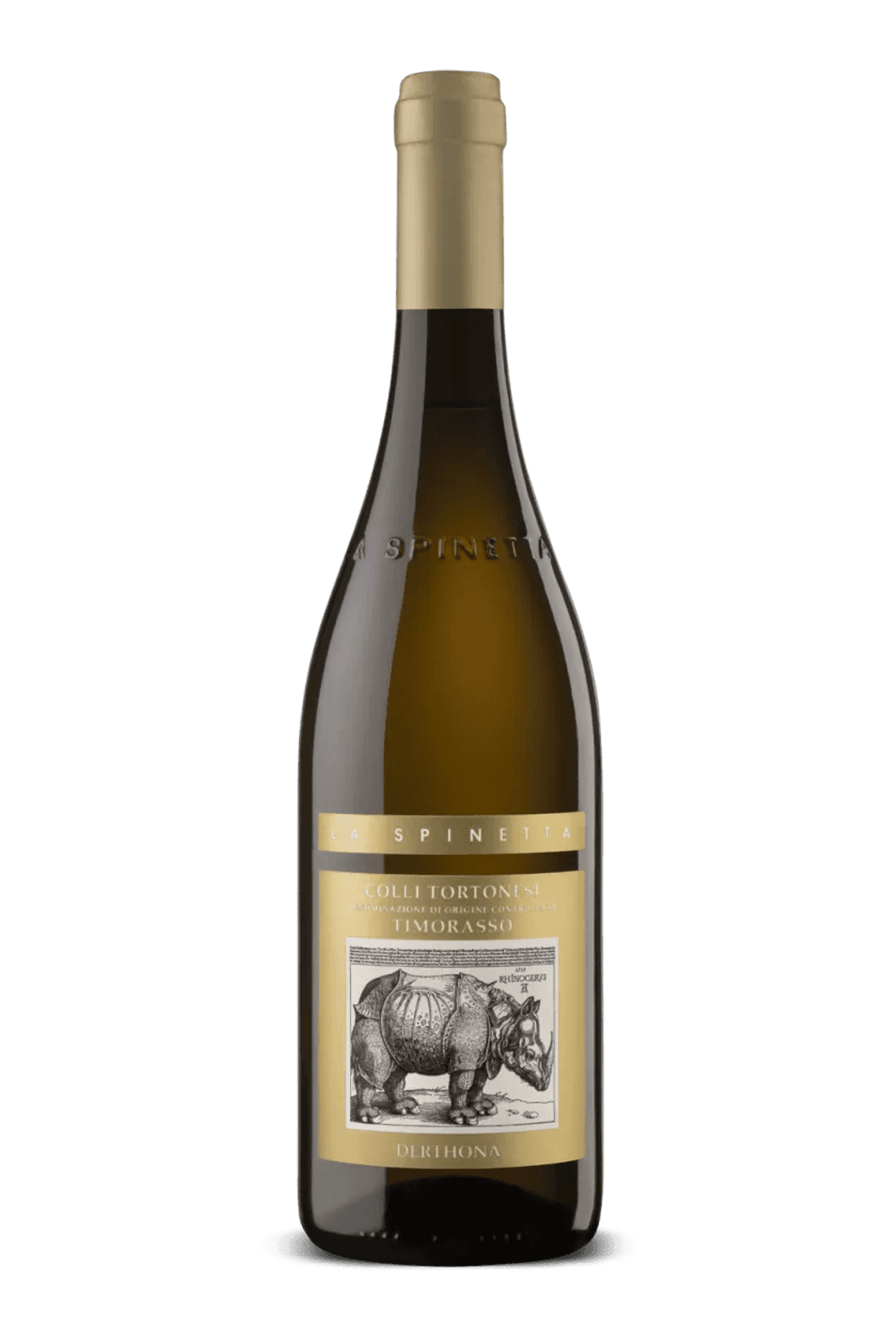
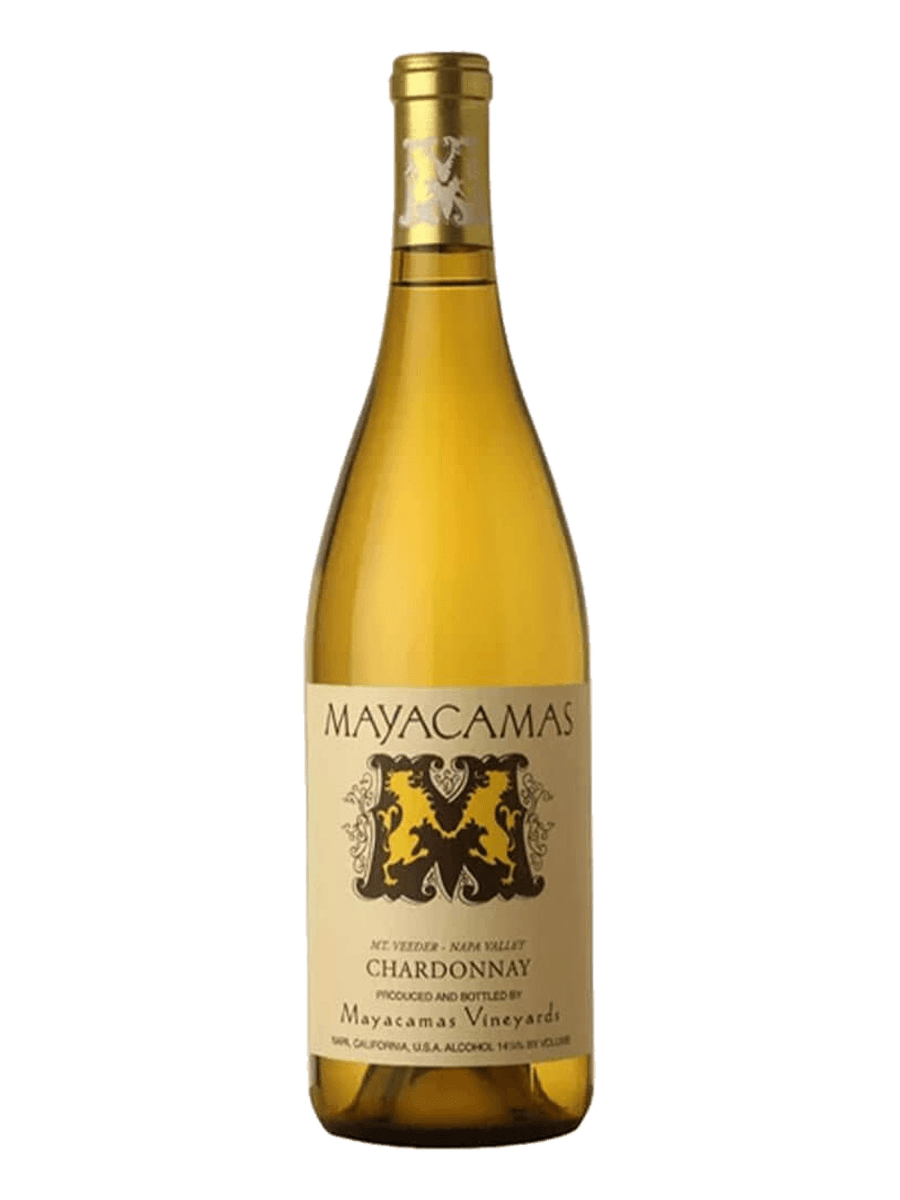
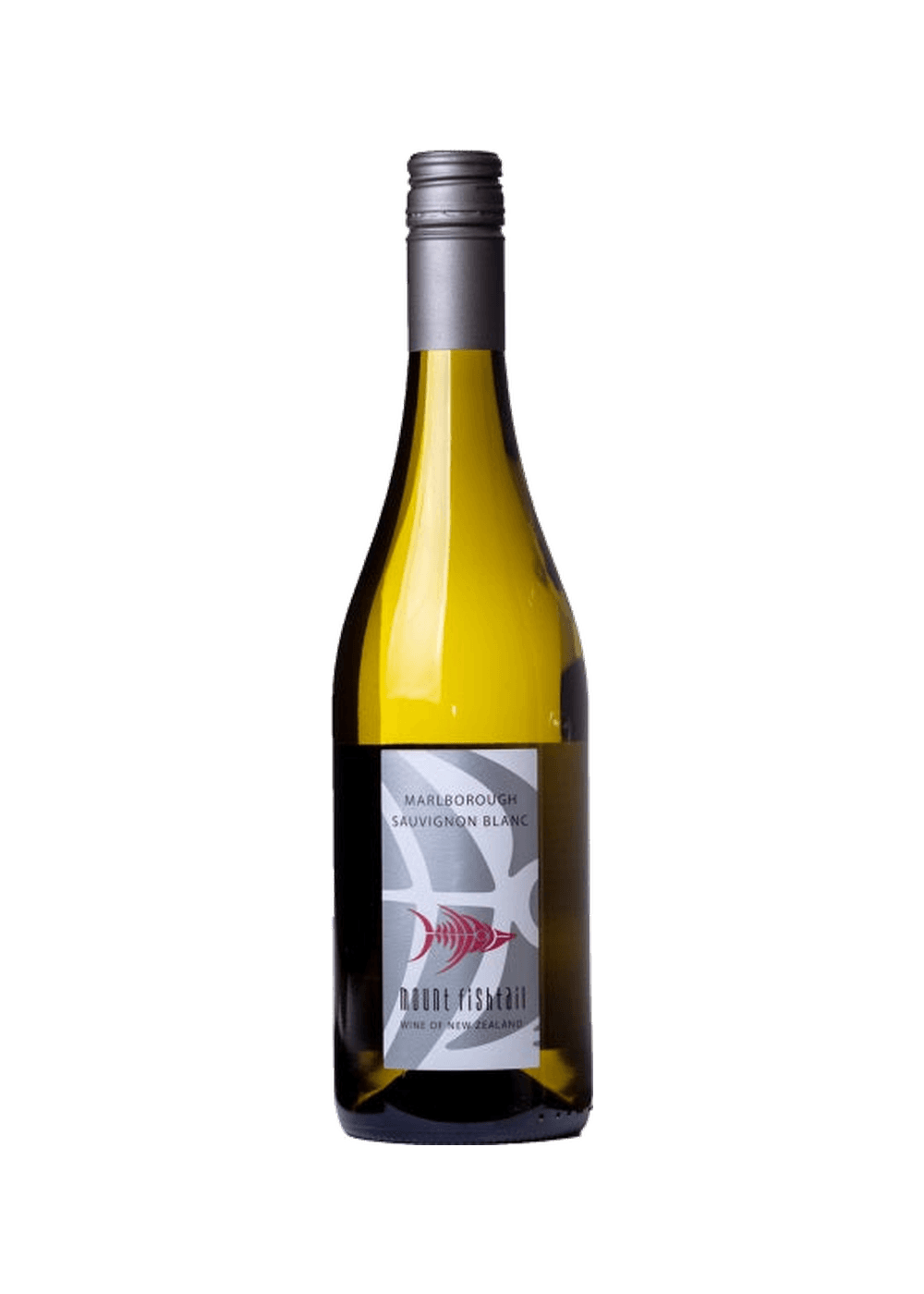
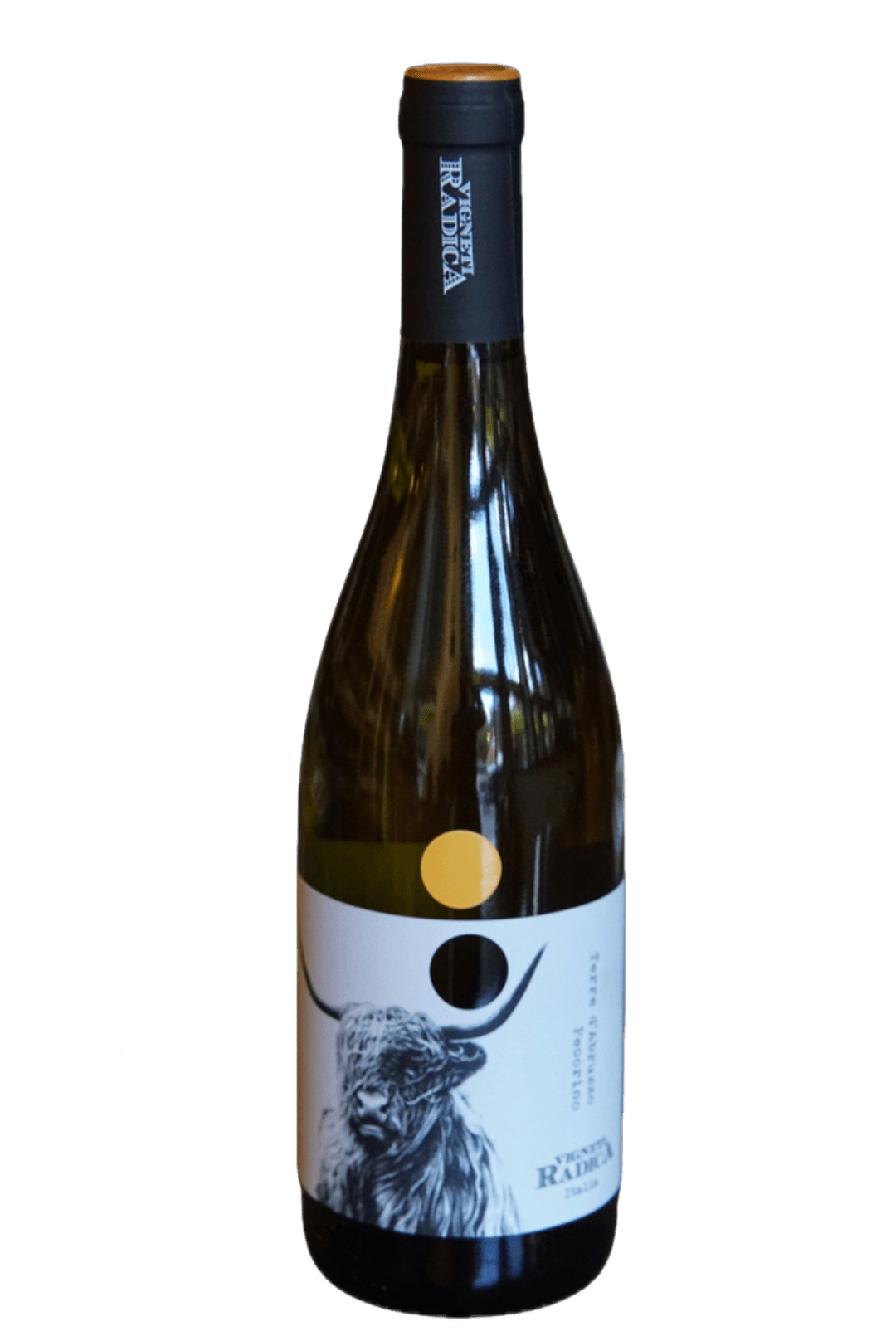
Browse current white bottles available through the Bar Torino bottle shop before reading the deeper style notes below.
The History
White wine is about freshness. The grapes are pressed soon after picking and the juice is drawn off its skins before it ferments, so what ends up in the bottle is clear, bright, and driven by acidity rather than tannin.
That quick separation is the whole idea. Skins carry color and tannin: leave white grapes fermenting on them and you are making orange wine, the older of the two styles. Press gently and draw the juice off, and you get the clarity and lift that let a white wine taste of its grape and its place.
Whole-cluster pressing, settling the juice, and fermenting cool are all ways of protecting that freshness. Natural producers add as little as possible along the way, so the vineyard and the vintage come through.
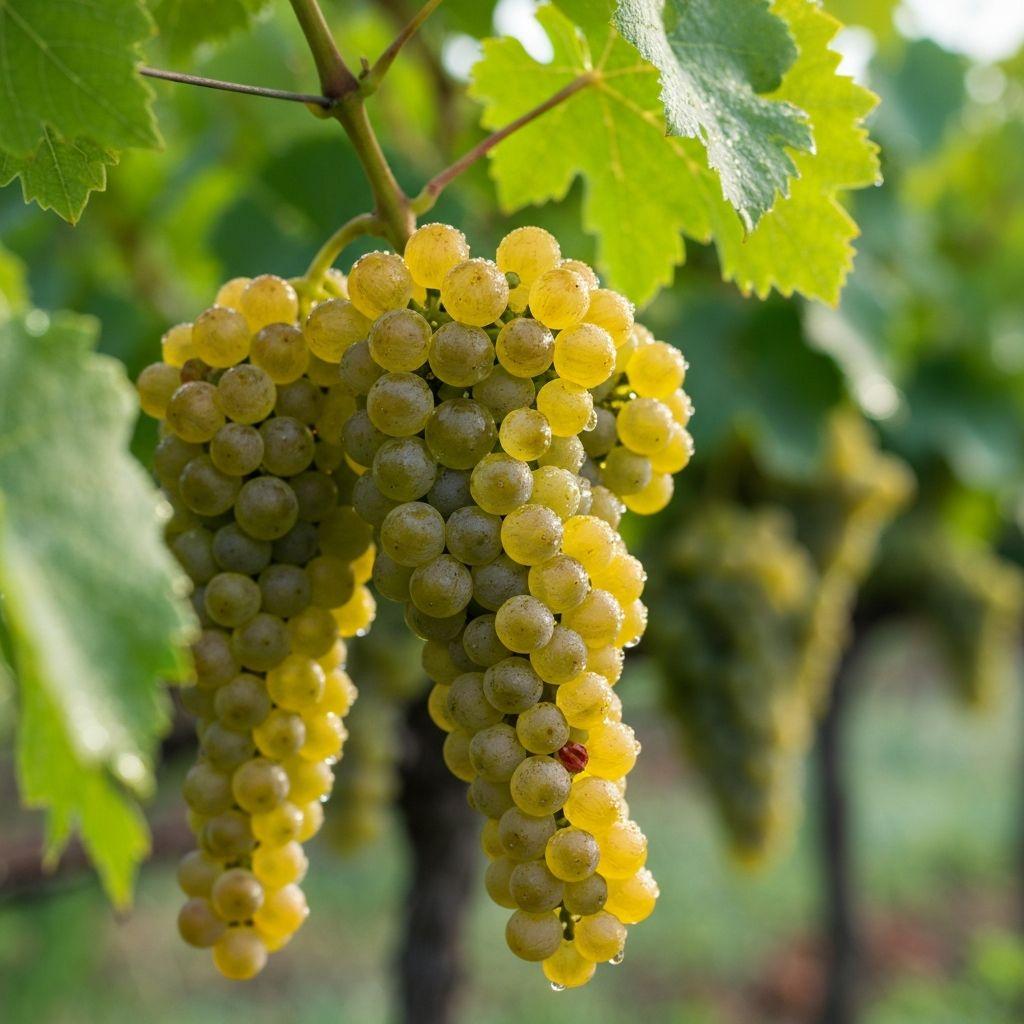
Our white selection is built around that idea, and it travels: Riesling and Grüner Veltliner, Chardonnay from California, Chenin Blanc, Furmint, Albariño, Moschofilero from Greece, and Italian whites from Sicily to the Adriatic coast.
The bottles change with the seasons and with what our growers release, so the list above is always the current one. Ask the team what is open by the glass.
Fresh, clear, and honest: a white wine made with a light hand shows you exactly where it was grown.
The Process
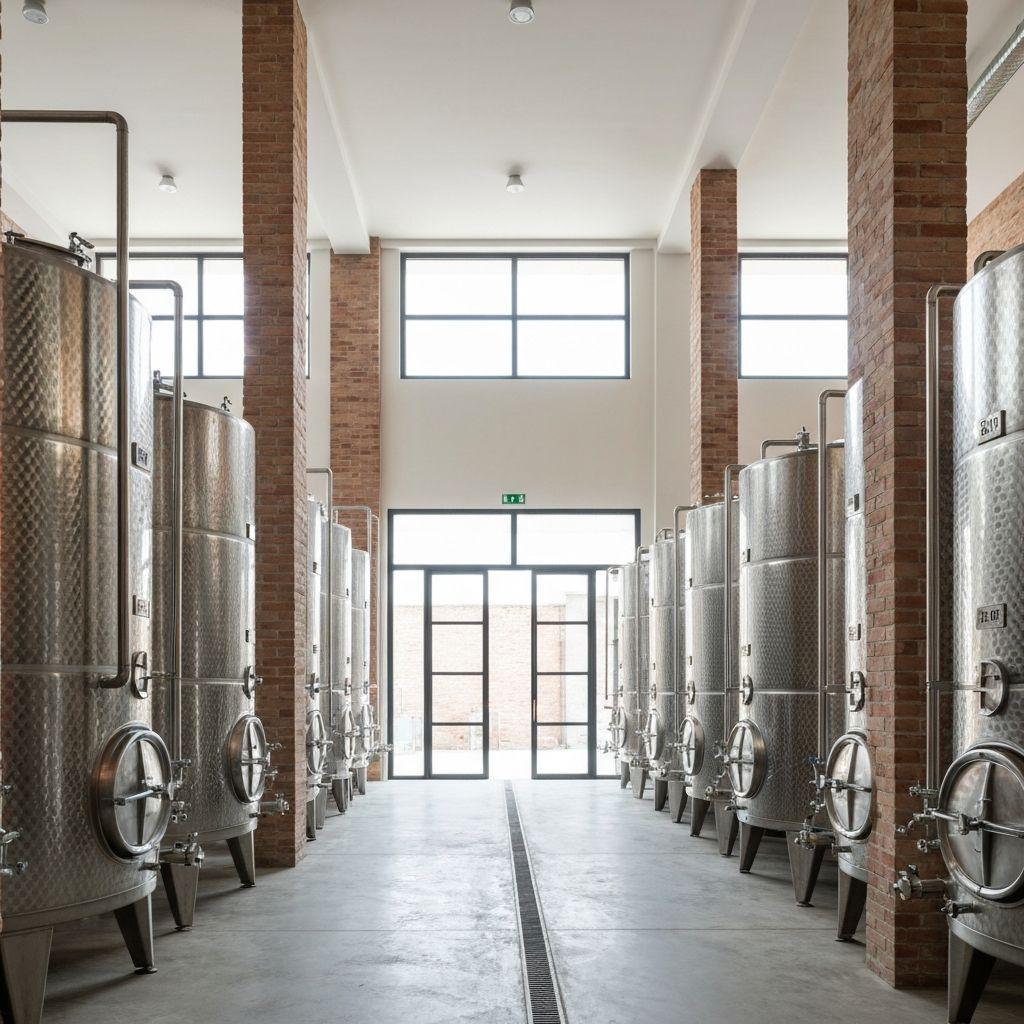
The fundamental distinction between white wine and red wine is contact with grape skins. In red winemaking, crushed grapes are left to macerate with their skins for days or weeks, extracting color, tannin, and a range of phenolic compounds. In white winemaking, the juice is separated from the skins almost immediately after crushing.
Most whites are pressed directly, sometimes as whole clusters, and the clear juice is fermented on its own. Without the structure of tannin, white wine is a more exposed form of winemaking: every decision the winemaker makes shows in the finished wine.
Techniques
The most common approach for white wines that prioritize freshness, fruit purity, and aromatic intensity. The neutral vessel imparts no flavor of its own, and temperature can be controlled precisely to preserve volatile aromatic compounds.
When white wine is fermented or aged in oak barrels, it absorbs compounds that contribute aromas of vanilla, toast, butter, smoke, and spice. Oak also allows slow, controlled exposure to oxygen that softens acidity.
A secondary fermentation where sharp malic acid is converted to softer lactic acid. In wines where crispness is the goal, winemakers prevent it. In wines where a rounder texture is desired, it is encouraged.
After fermentation, dead yeast cells settle to the bottom. If the wine remains in contact with these lees, autolysis gradually releases proteins that add body, texture, and a subtle savory quality.
Grape Varieties
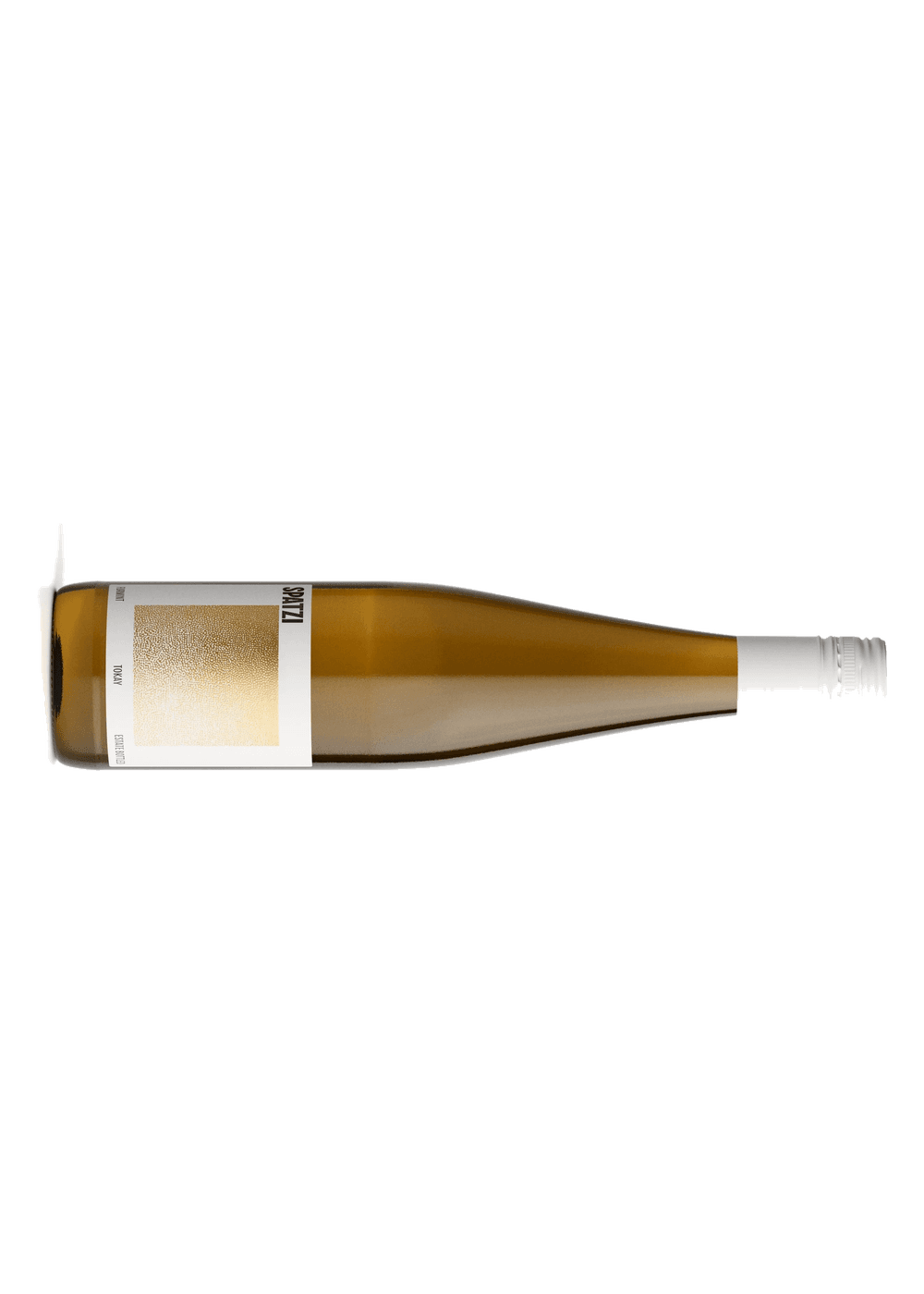
The grapes behind the white bottles on our shelf right now, with smaller lots such as Spatzi Furmint and San Felo Viognier alongside them.
High in natural acidity and transparent to the site it grows on. In Austria and much of Germany it is now mostly made dry.
Austria's signature white grape and its most widely planted. Typically fresh, with lively acidity and the white-pepper note the grape is known for.
The most adaptable white grape there is. Climate, oak, and time on the lees decide whether it comes out taut and mineral or rounder and fuller.
Key Regions
Grüner Veltliner's home and Austria's most planted grape, with Riesling on the steeper, stonier sites. Austrian whites are overwhelmingly dry, built on freshness and acidity.
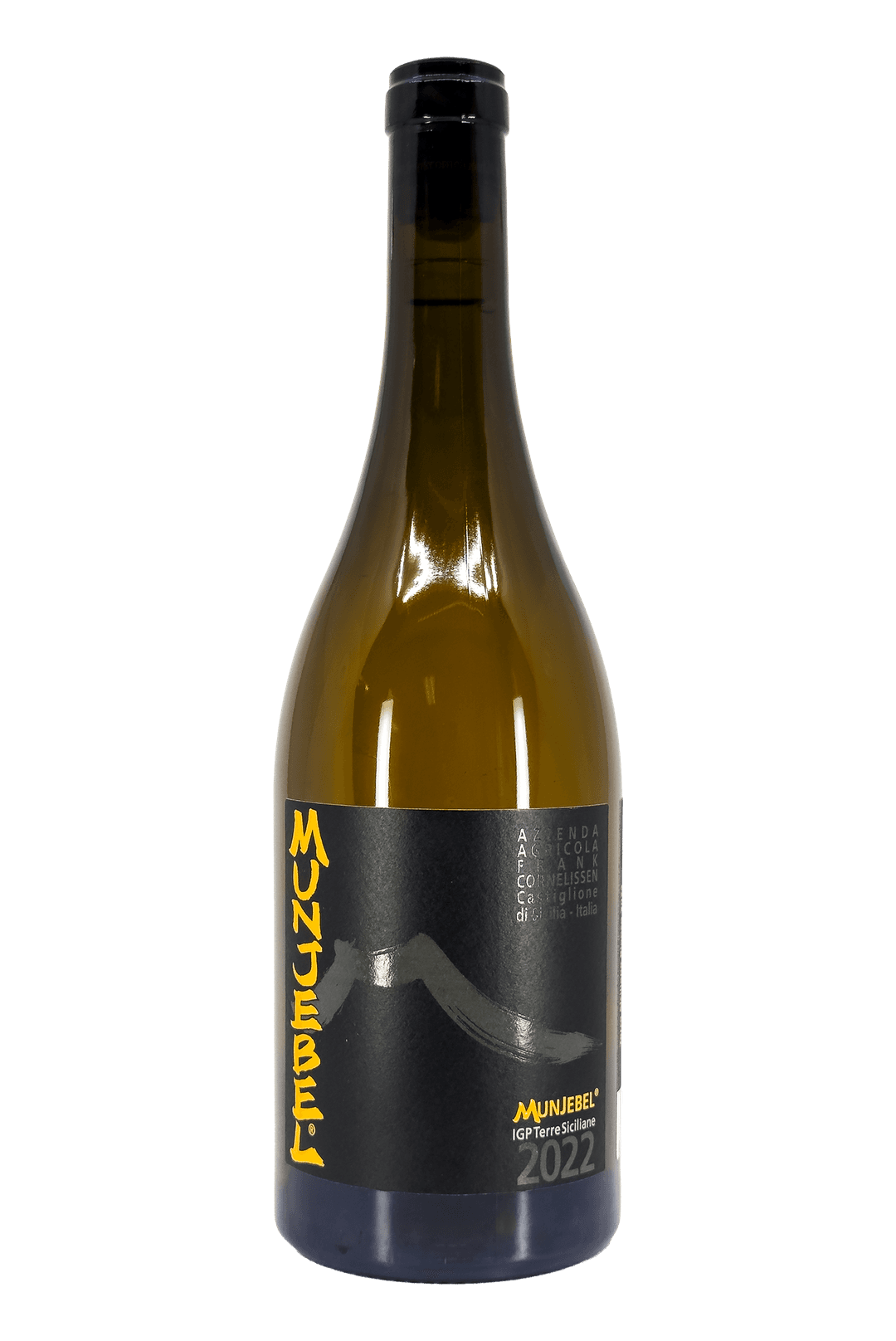
From the black volcanic soils of Mount Etna, where Frank Cornelissen farms the vineyards behind Munjebel, to Gulfi in the island's southeast, Sicily's native white grapes make some of Italy's most distinctive whites.
The hills between the Apennines and the sea, where Pecorino was brought back from near-extinction. Coastal breezes and mountain air keep the wines fresh.
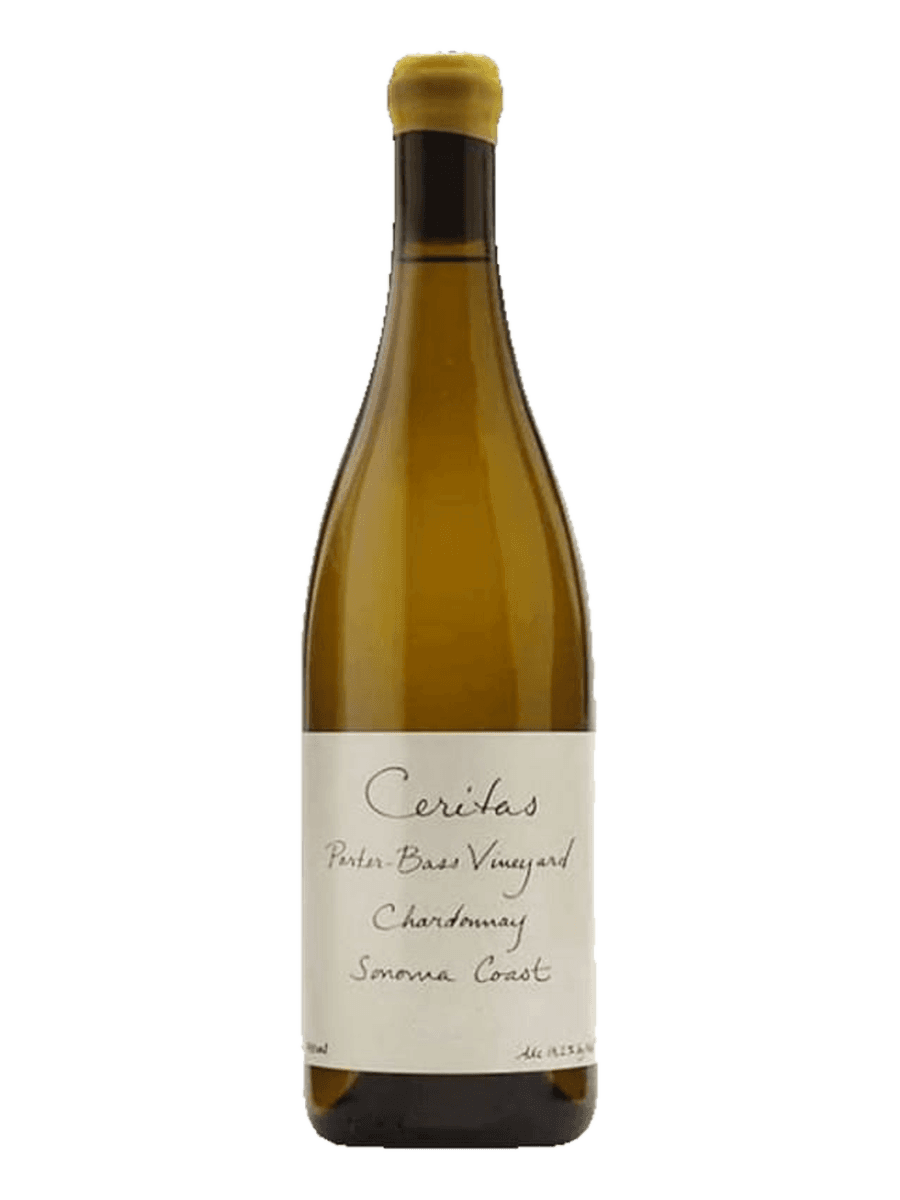
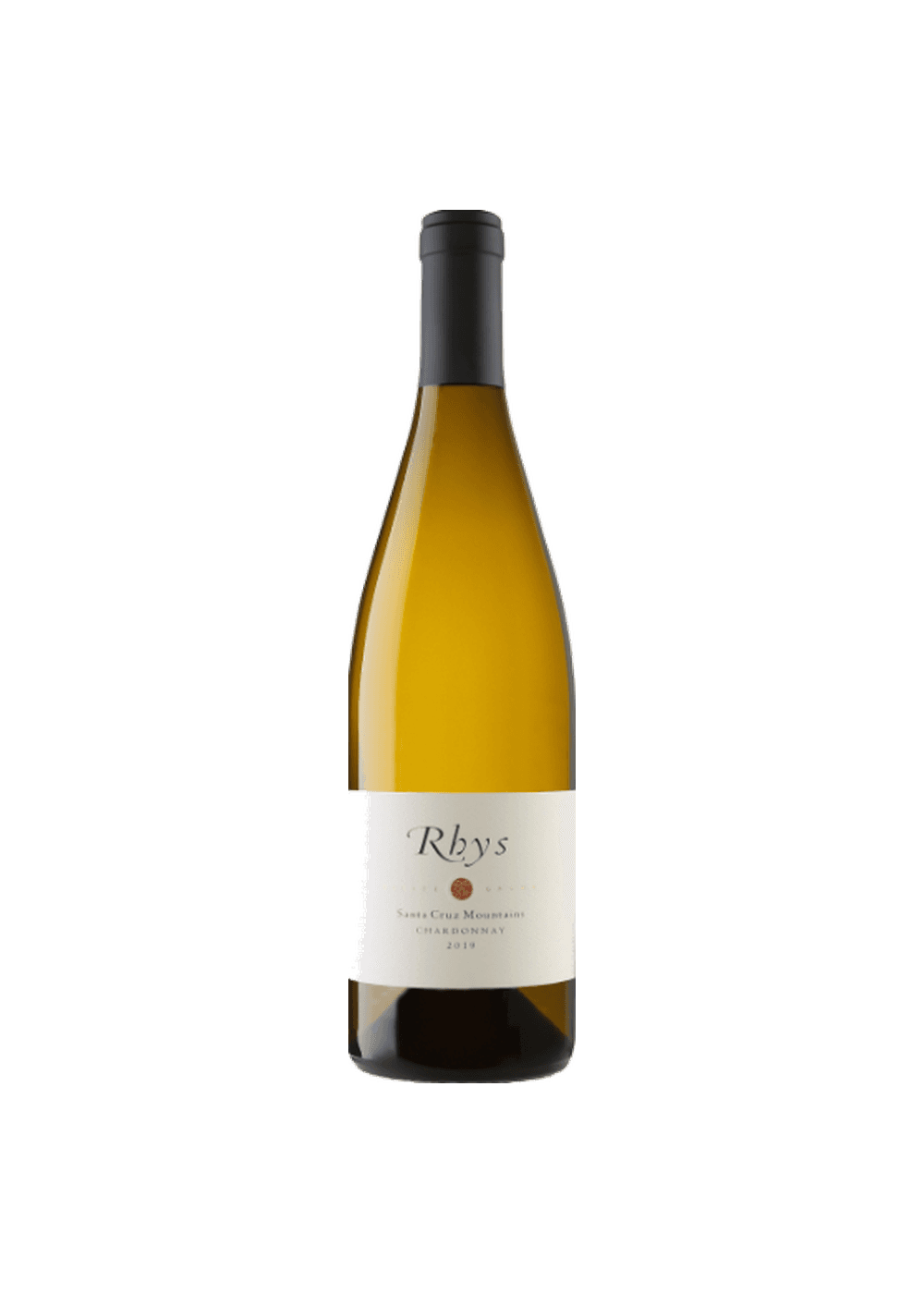
The source of our Chardonnays from Ceritas and Rhys. Cooler vineyards near the Pacific, where fog and ocean air slow ripening and keep acidity.
At The Table
White wine is, at its core, a food wine. Where red wines can stand alone as contemplative drinks, white wines are almost always better at the table, where their acidity, freshness, and aromatic complexity interact with food.
Spiced dishes, smoked meats, roasted pork, duck, oysters, crab
Salads and green vegetables, schnitzel and fried dishes, fresh cheeses, shellfish
Roast chicken, fresh pasta in cream sauces, mushroom dishes, lobster, richer fish
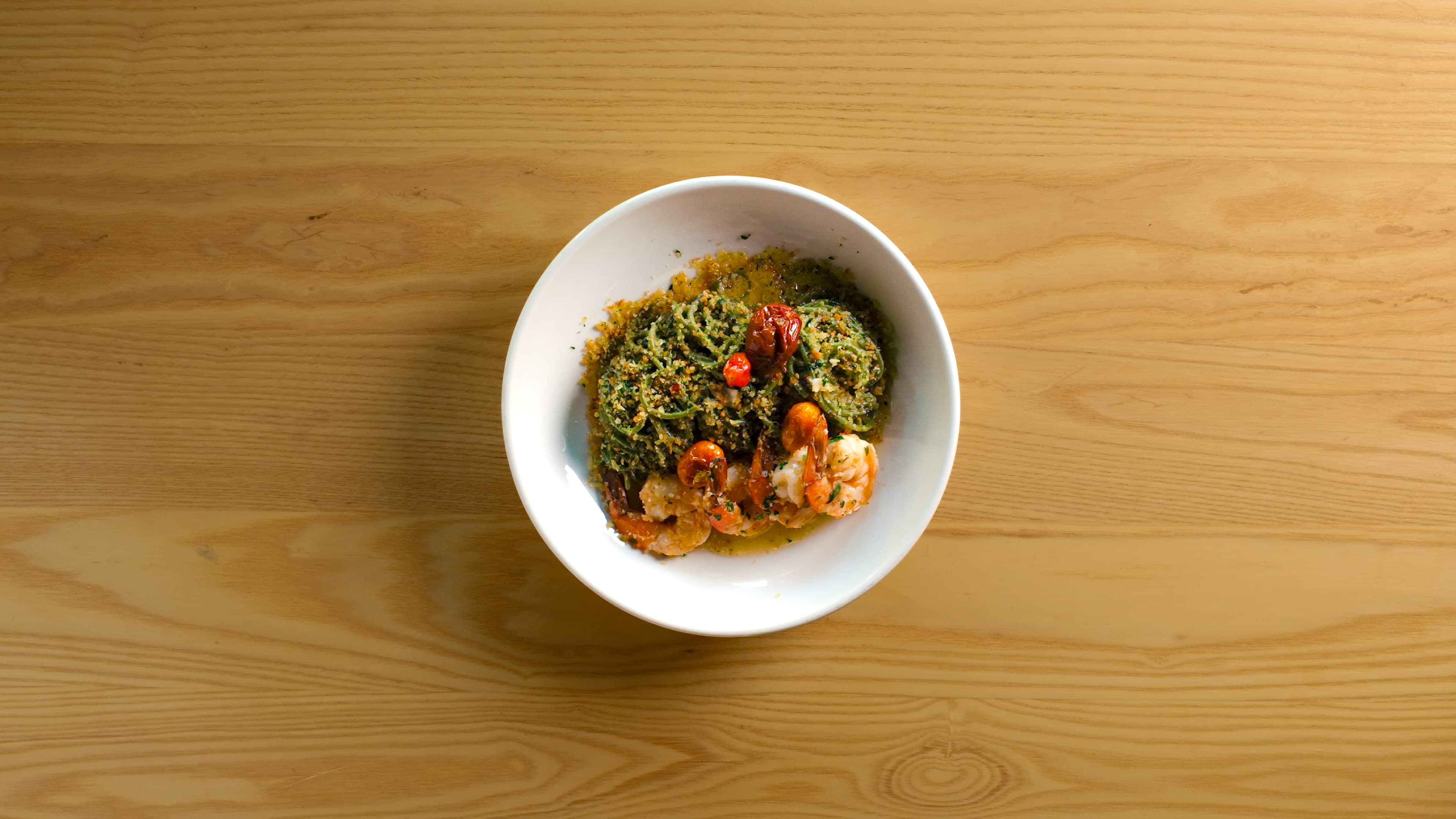
Grilled fish, seafood pasta, fritto misto, burrata, anything with olive oil and herbs
How to Serve
8 to 12°C
Lighter, more aromatic wines like Grüner Veltliner, Albariño, and Riesling benefit from the cooler end. Fuller whites like Chardonnay can be served slightly warmer to reveal their layers. Refrigerate for two to three hours, then let it open in the glass.
The great grape of the Loire Valley and a signature of South Africa. Its high acidity lets it be made in every style, from bone-dry to sweet and sparkling.
A native grape of Italy's central Adriatic coast, in the Marche and Abruzzo. It had nearly disappeared before growers revived it in the late twentieth century.
Sicily grows its own white grapes, among them Carricante, at home on Mount Etna, and Grillo, long tied to the island's west.
From Galicia, in Spain's green, Atlantic northwest, and across the border in Portugal, where it is called Alvarinho. Fresh and aromatic, made for seafood.
A pink-skinned Greek grape from the Peloponnese, best known from the high plateau of Mantinia. Made as a white wine, it is aromatic with crisp acidity.