
 Back to Wine List
The Collection
Light & Bright
Vibrant reds meant to be drunk cool.
The Selection
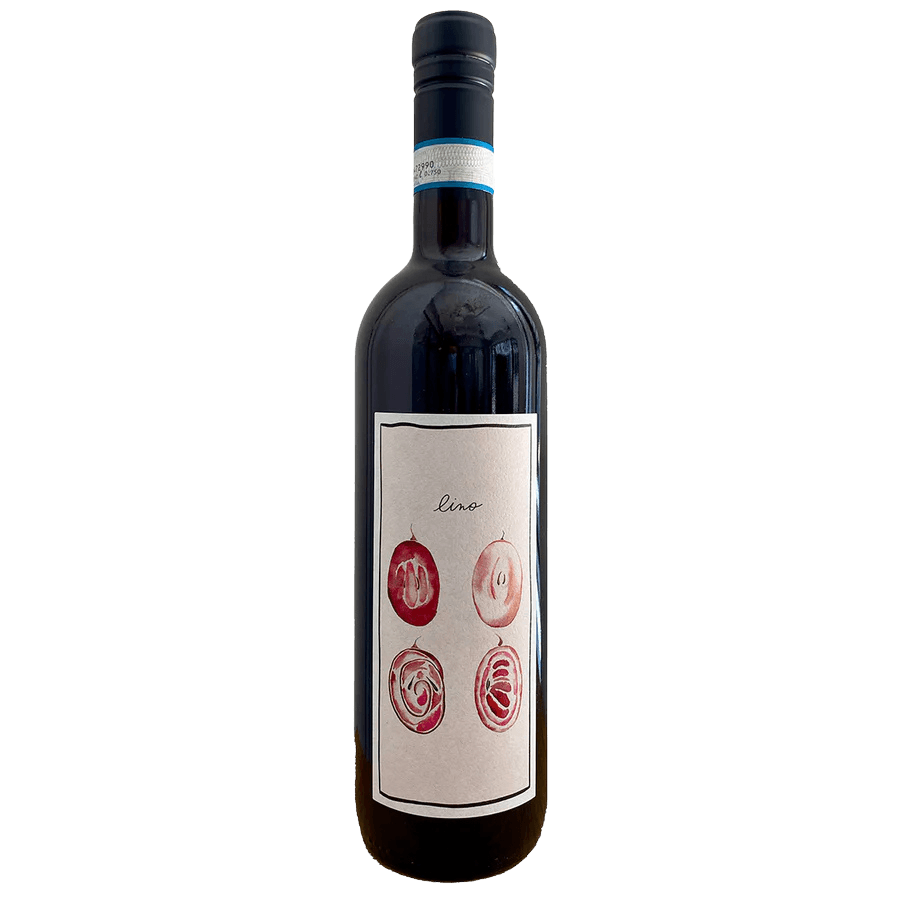
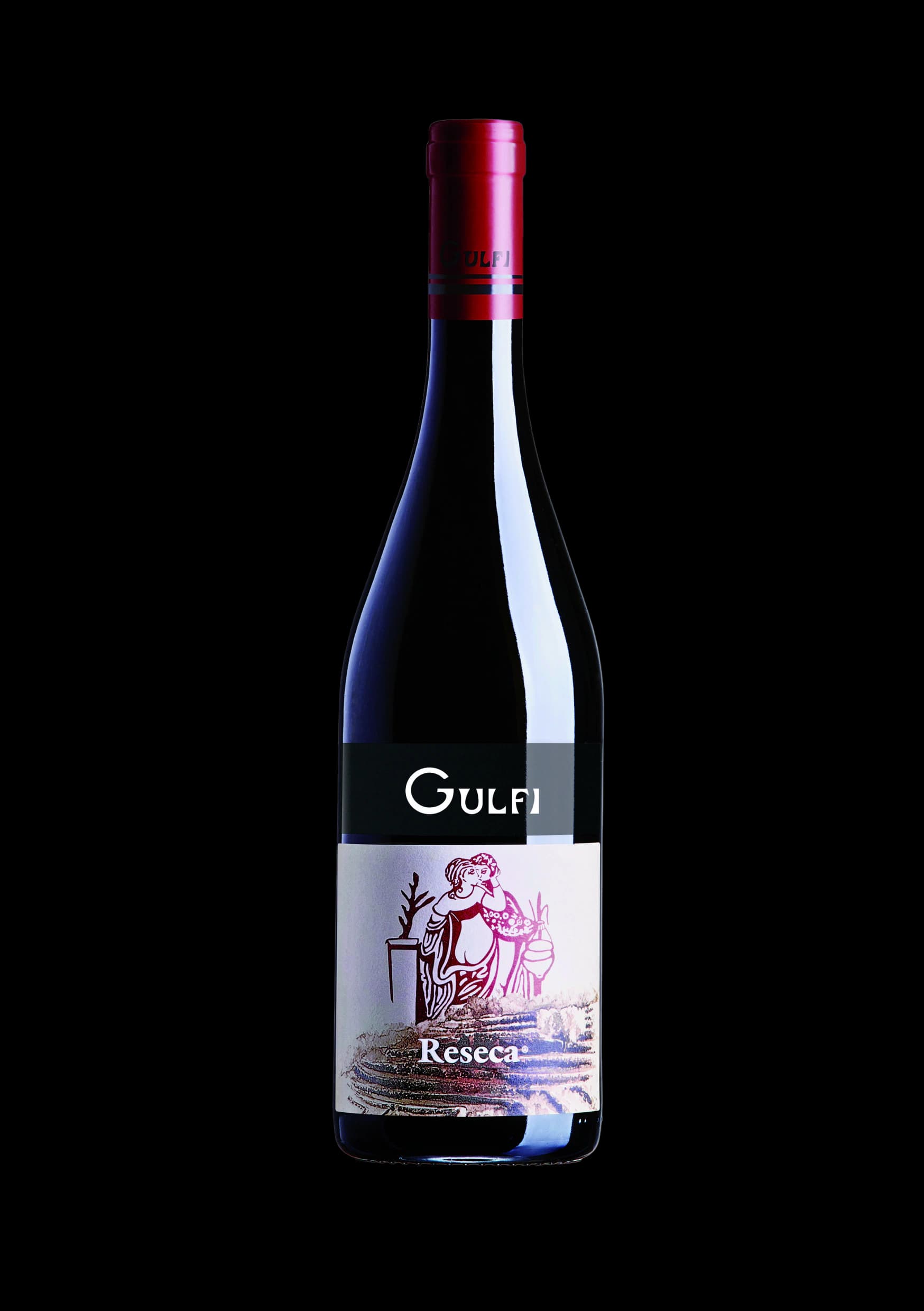
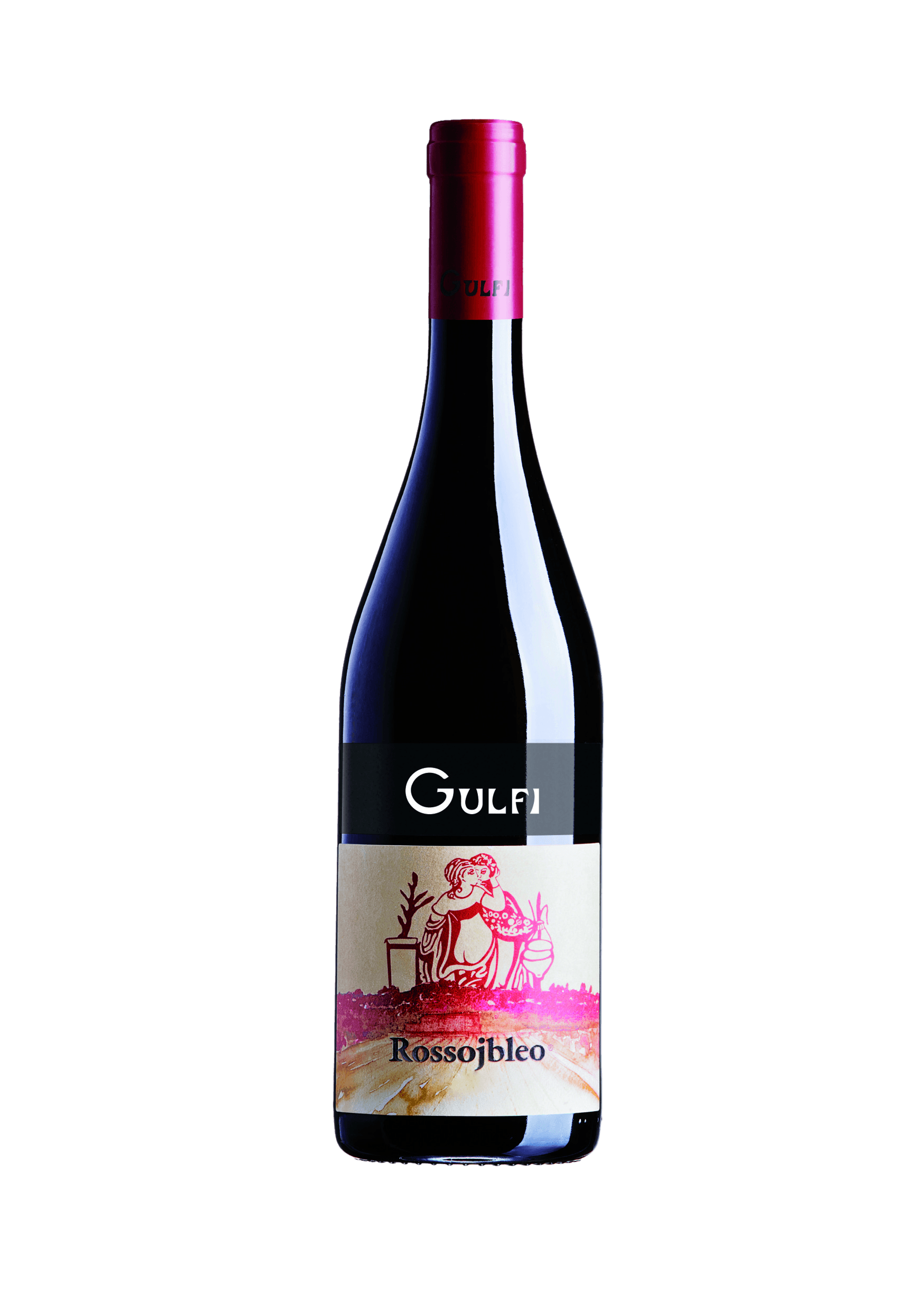
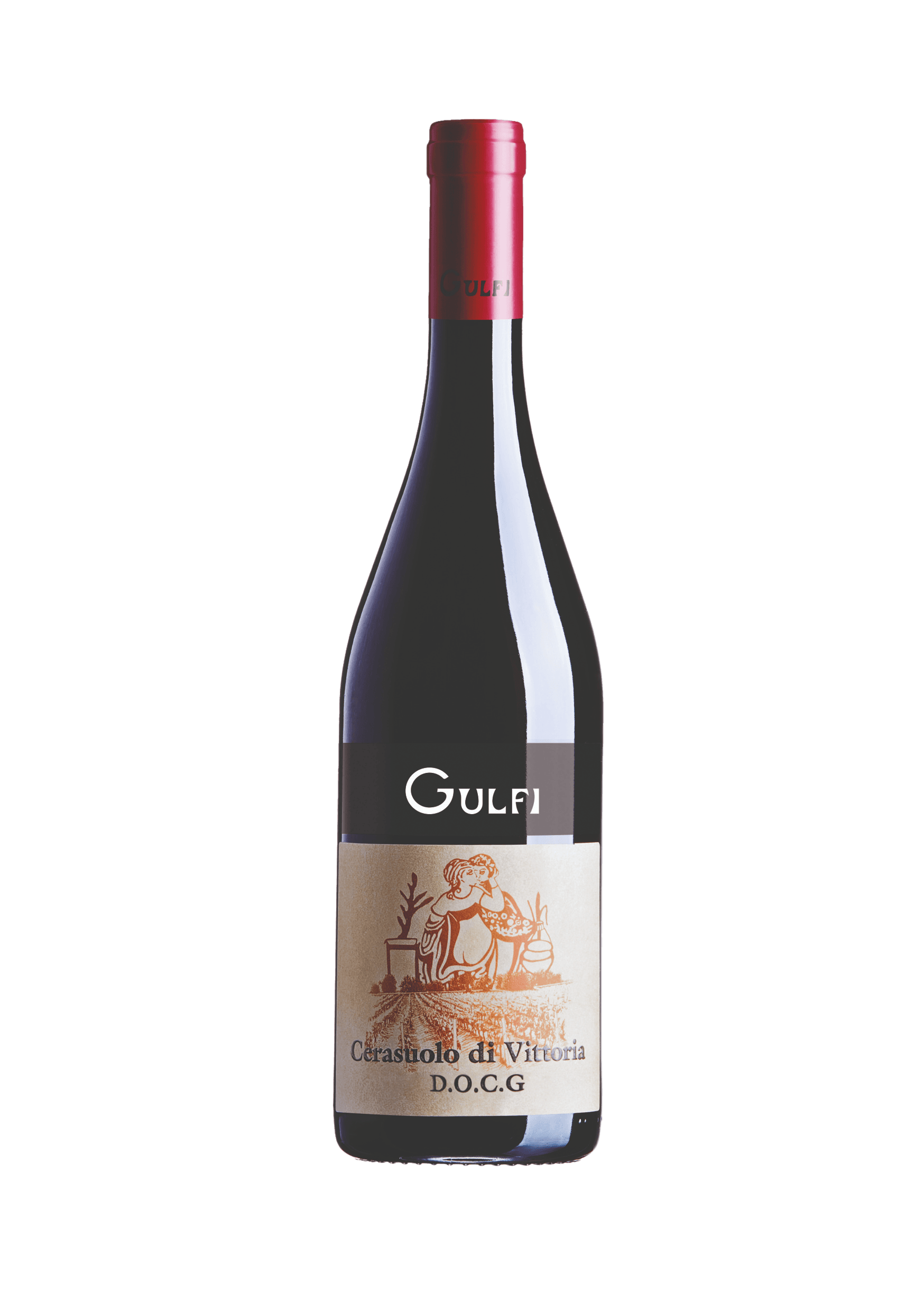
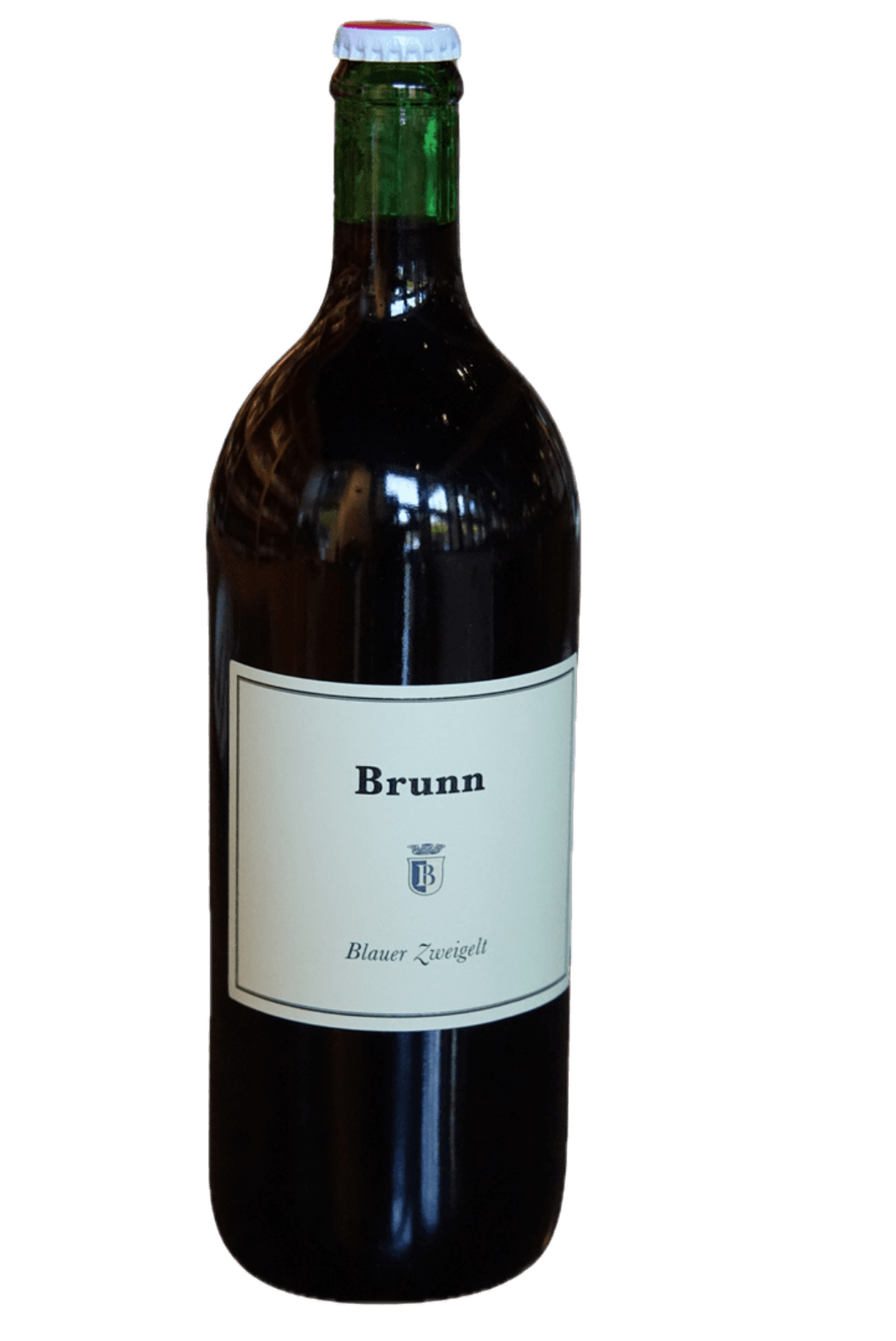
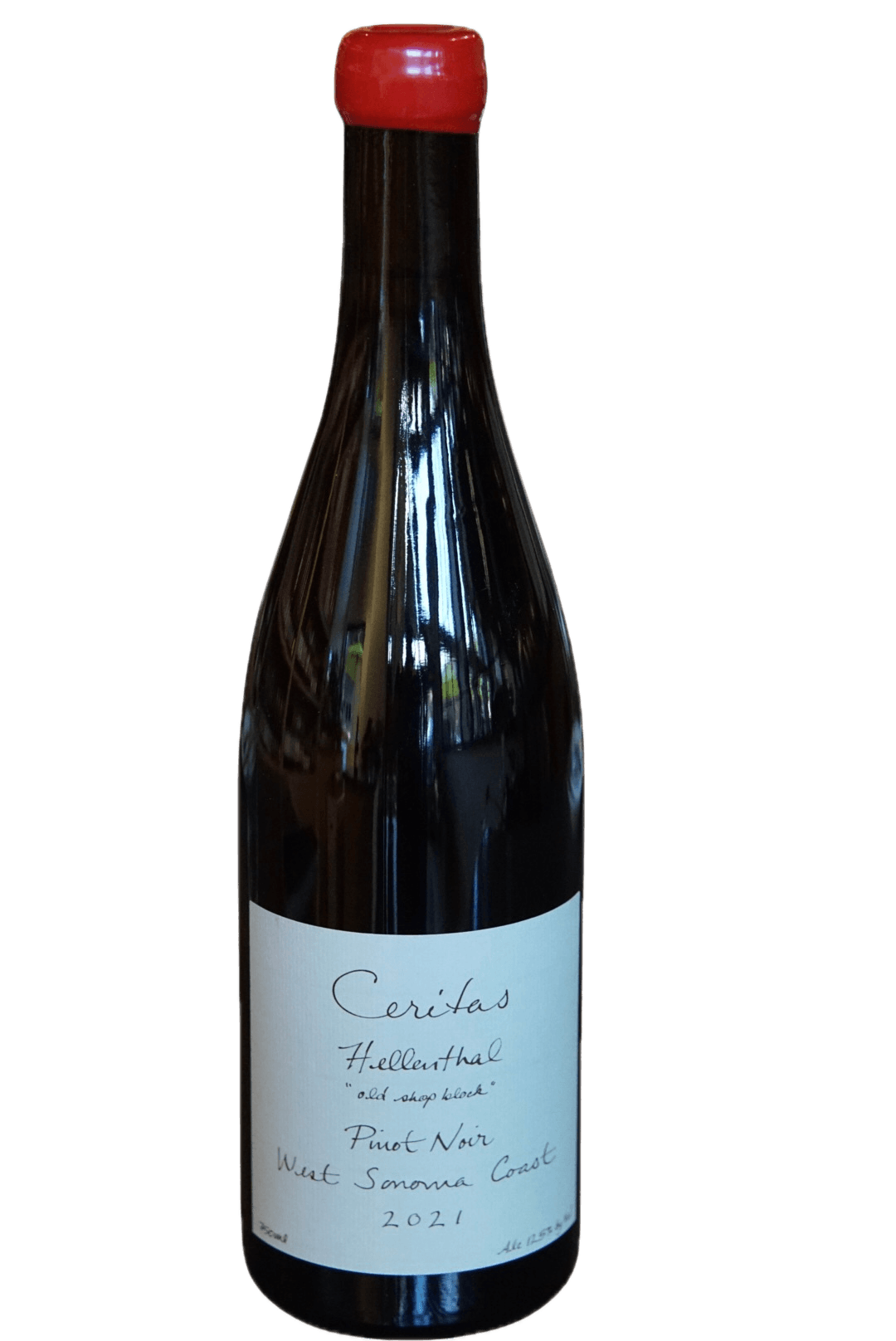
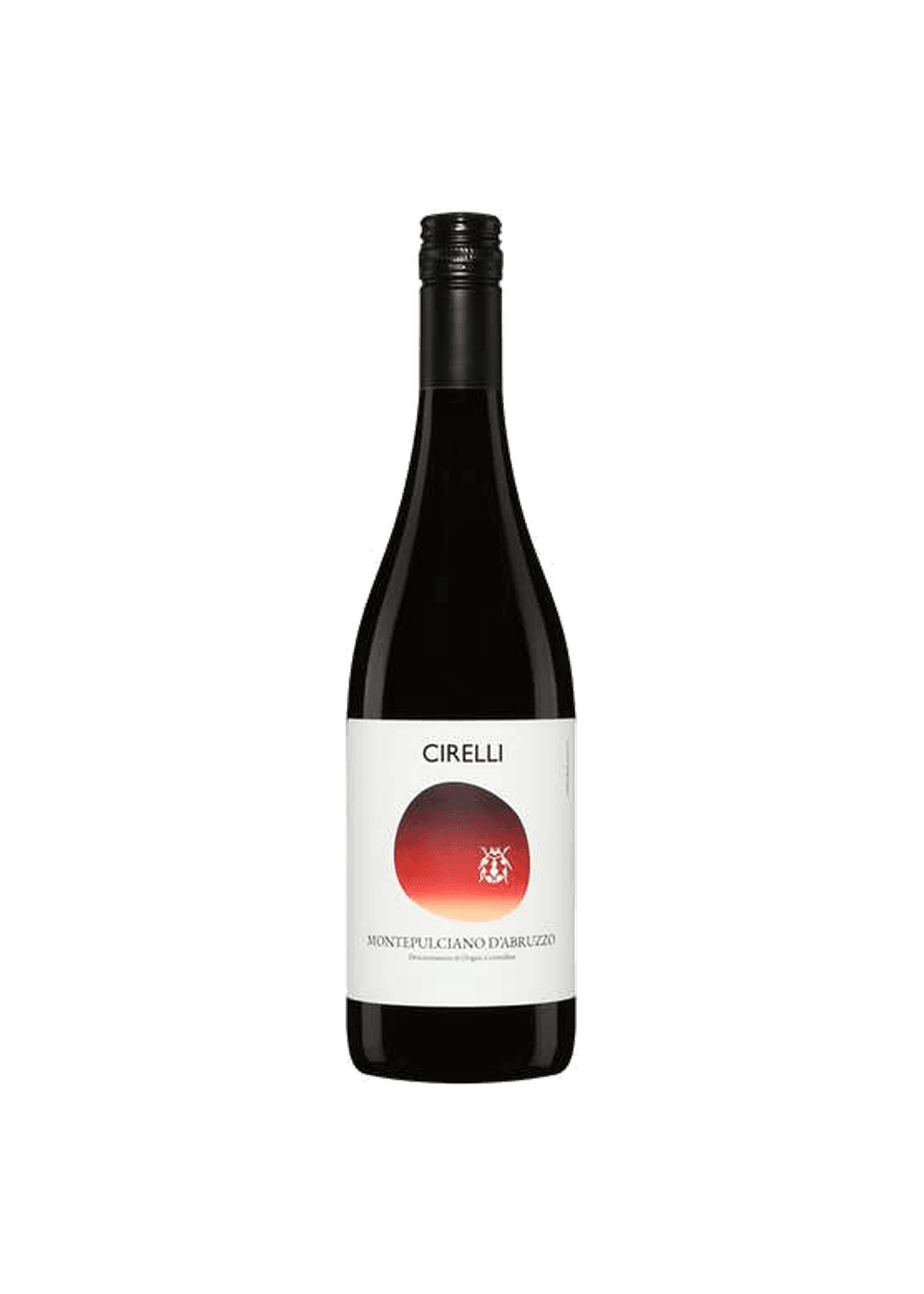
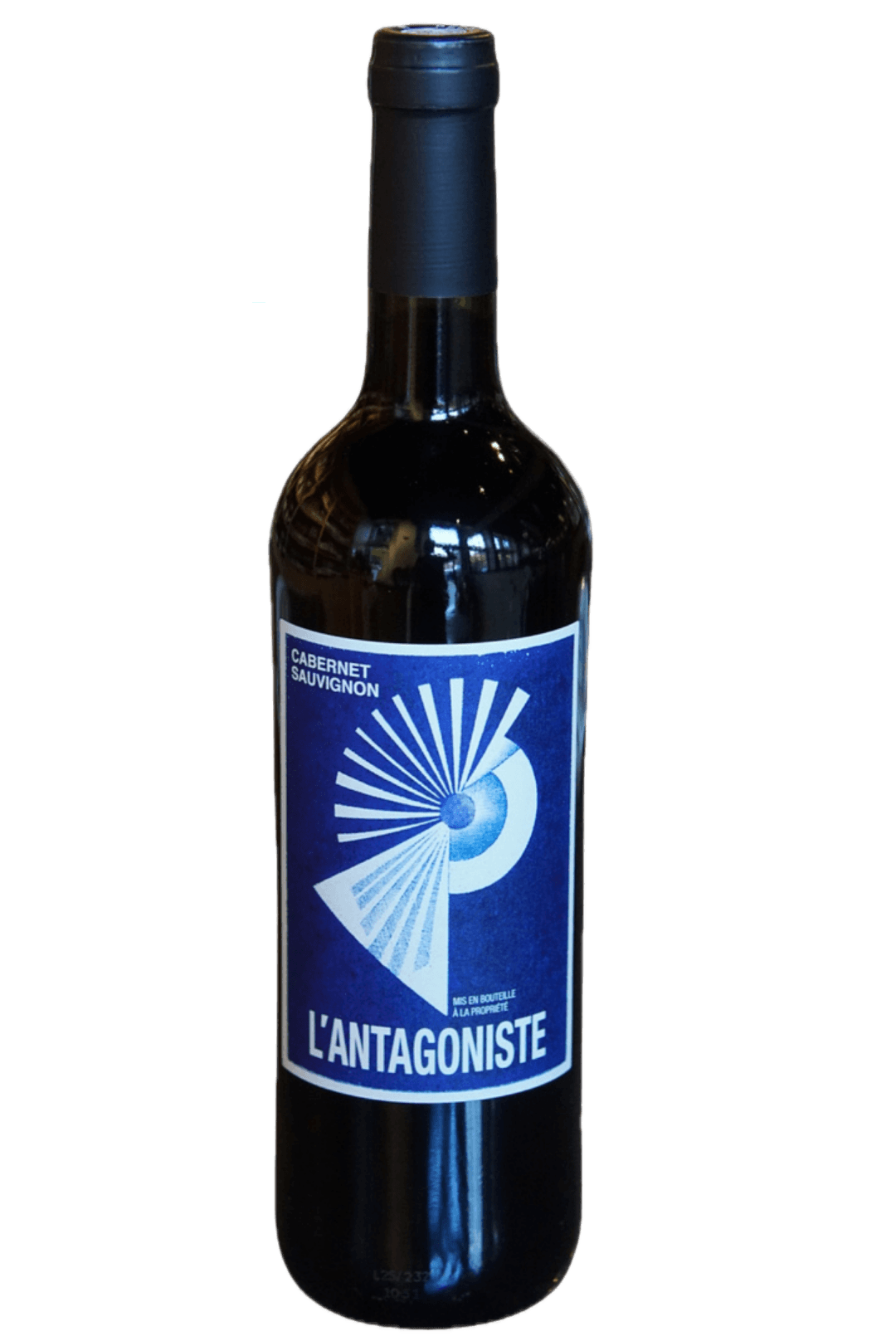
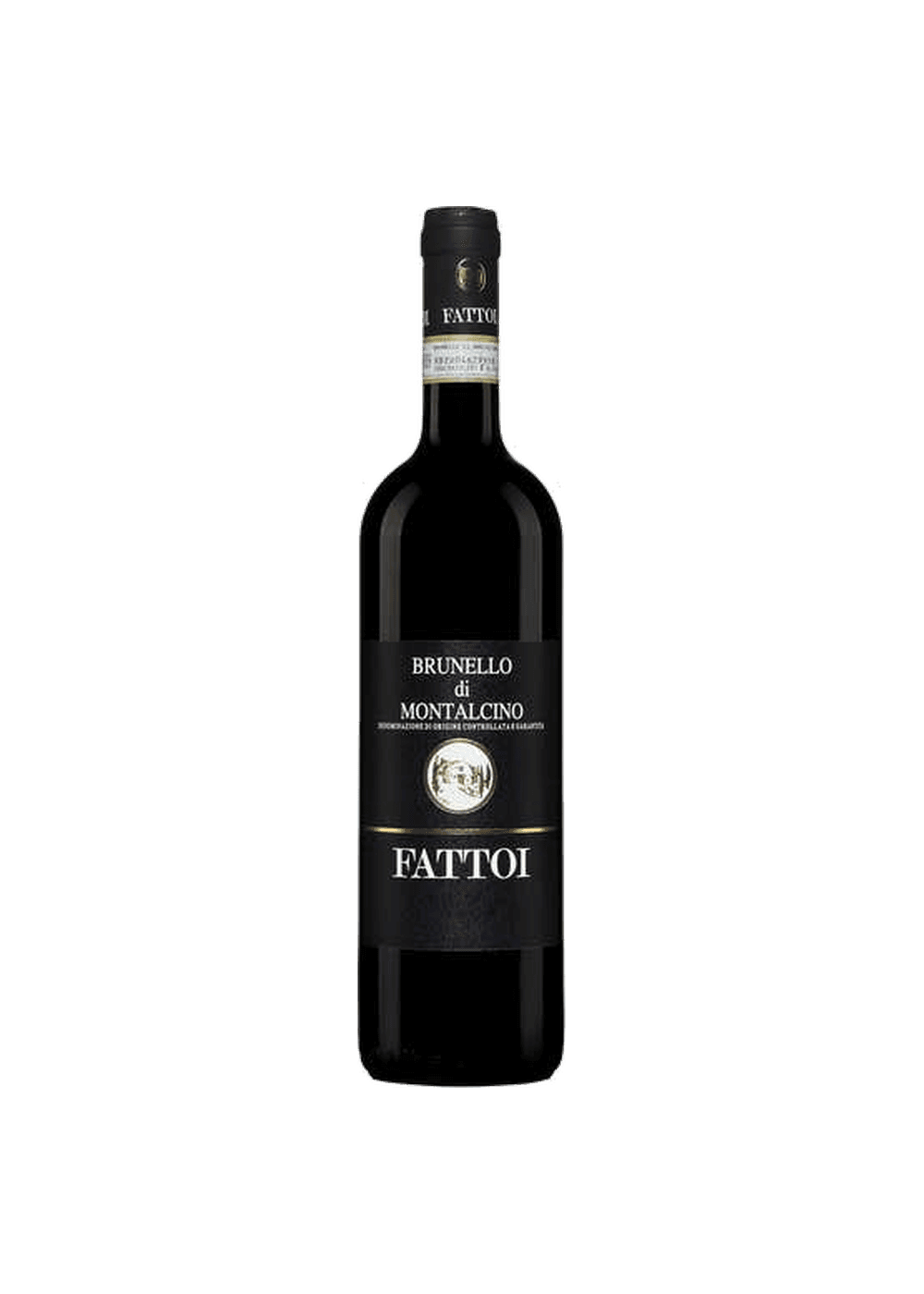
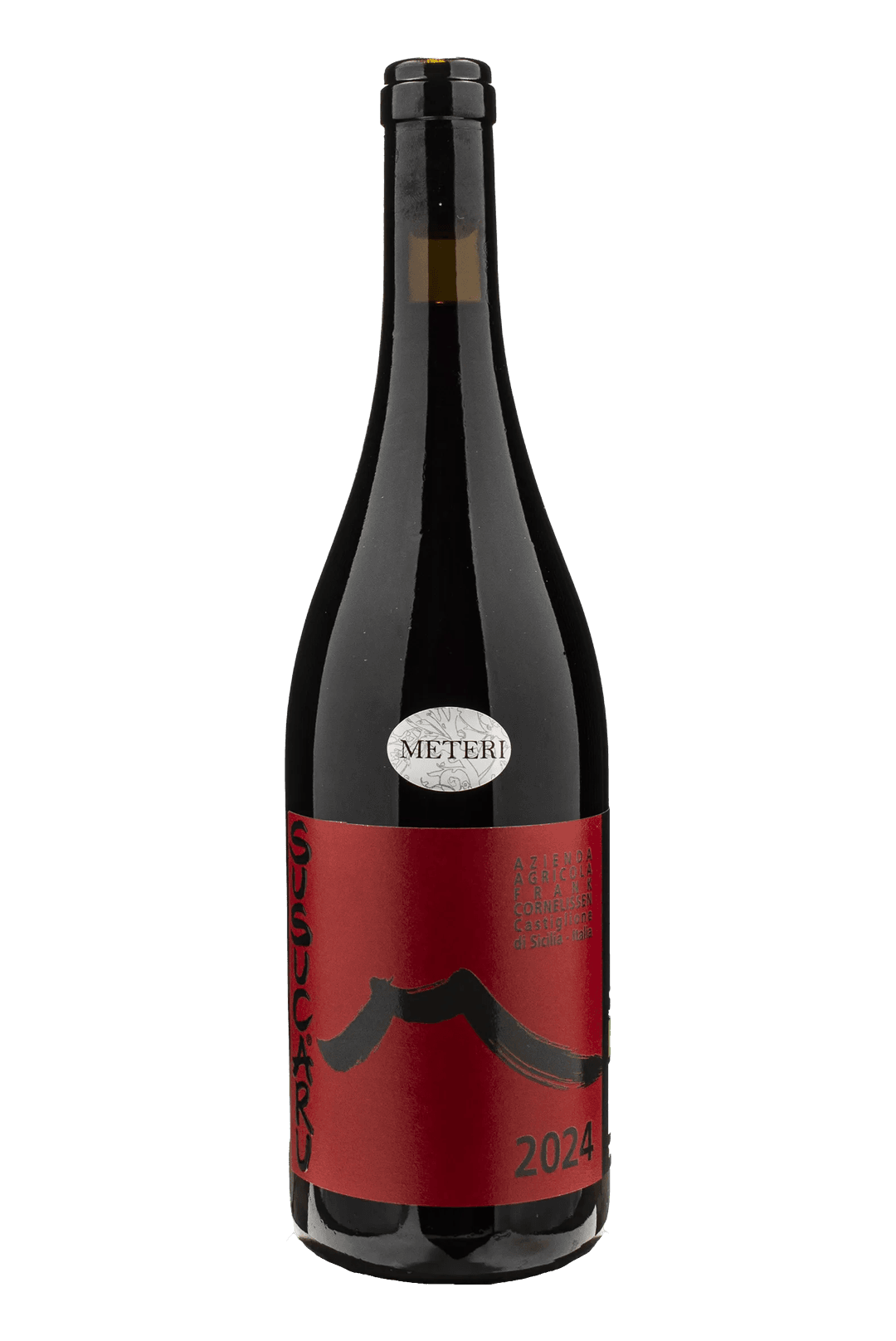
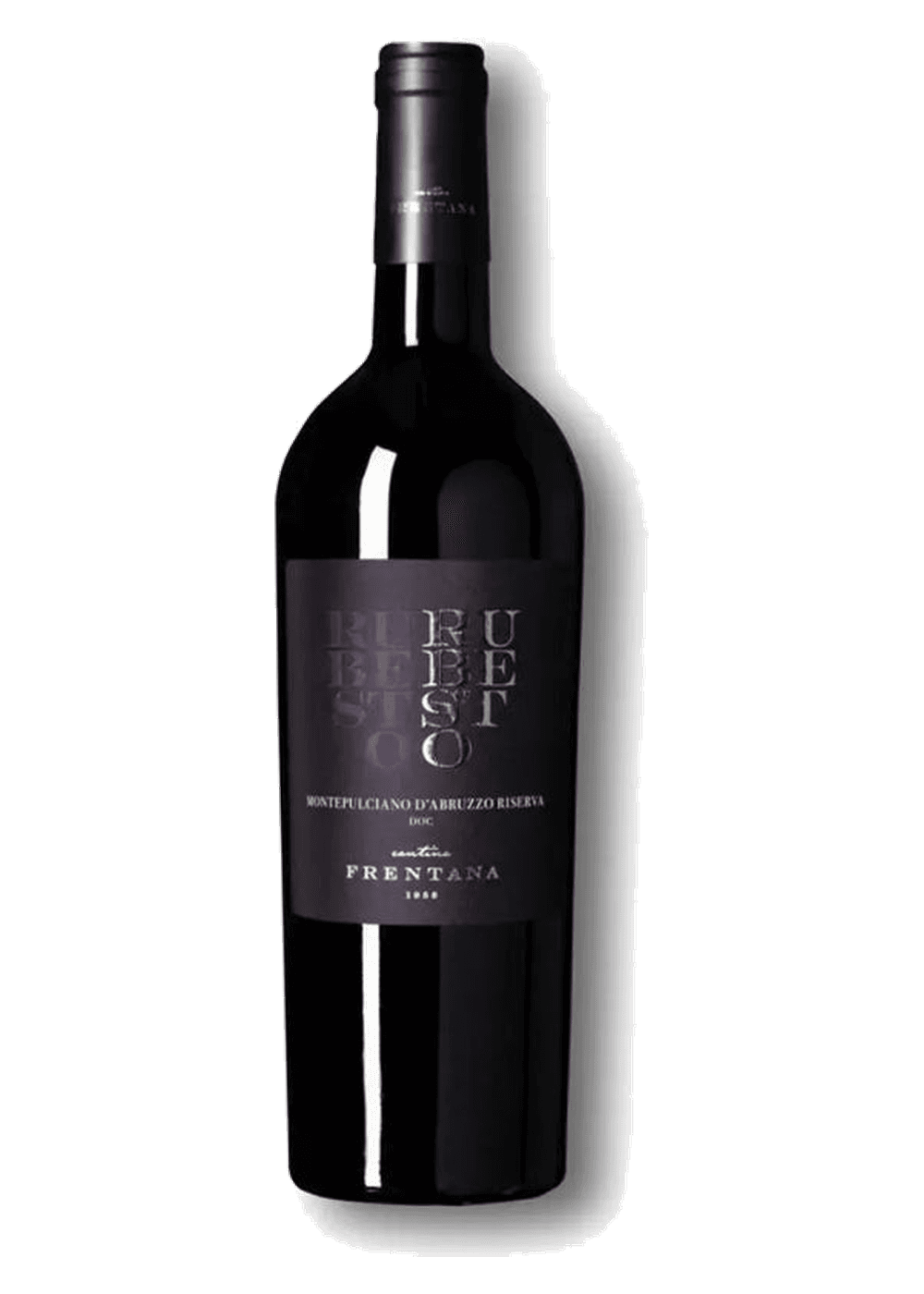
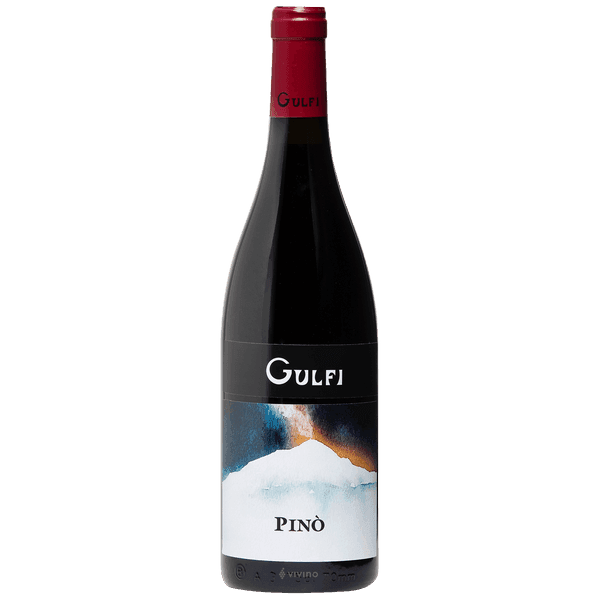
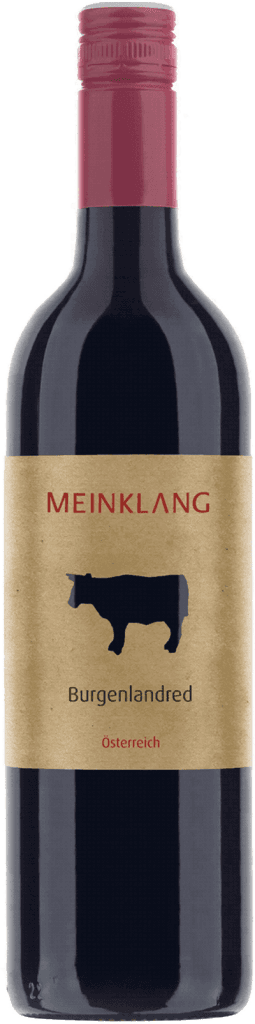
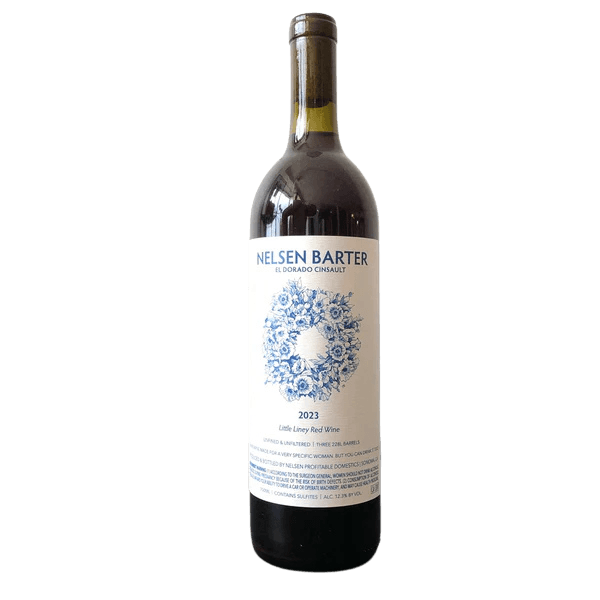
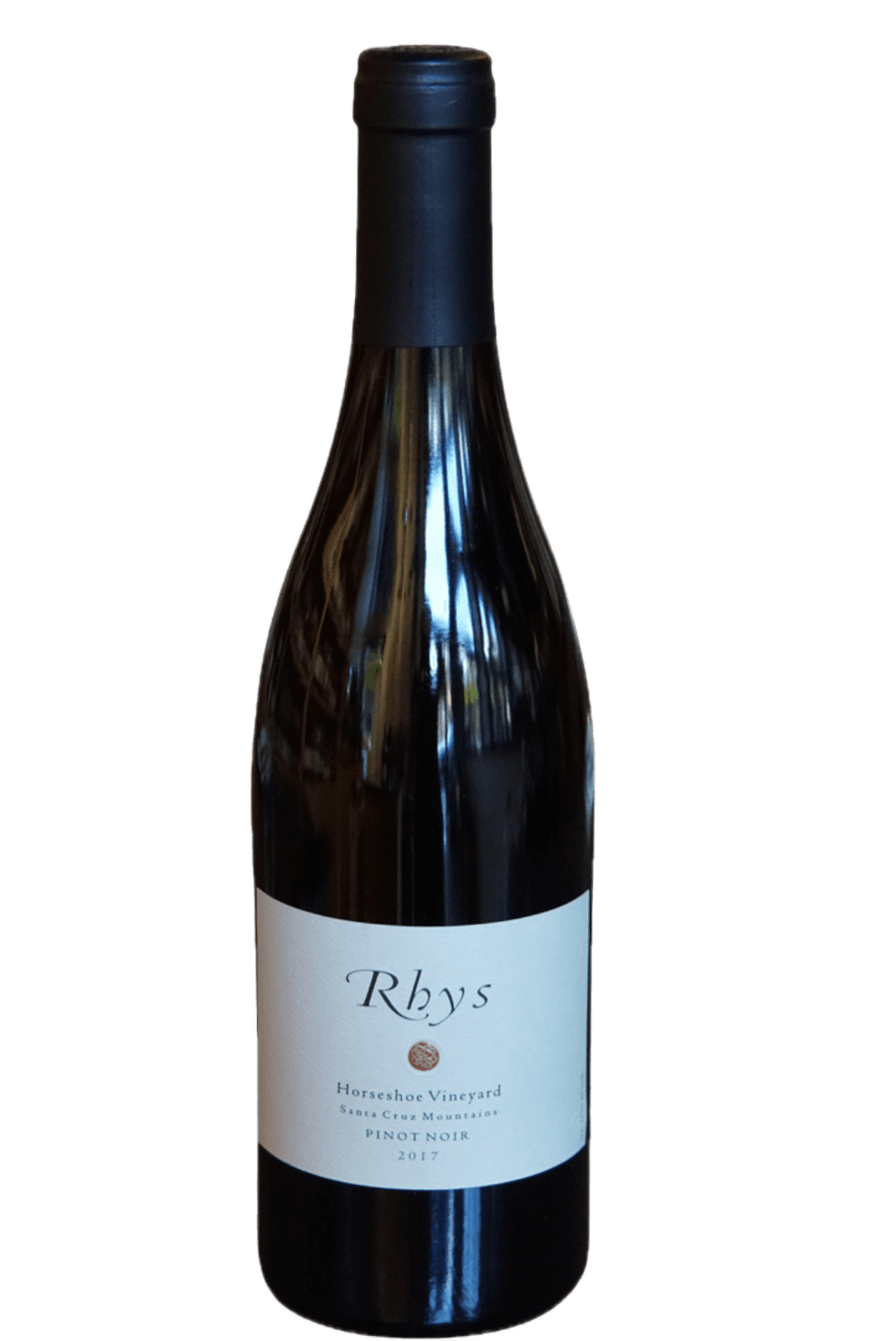
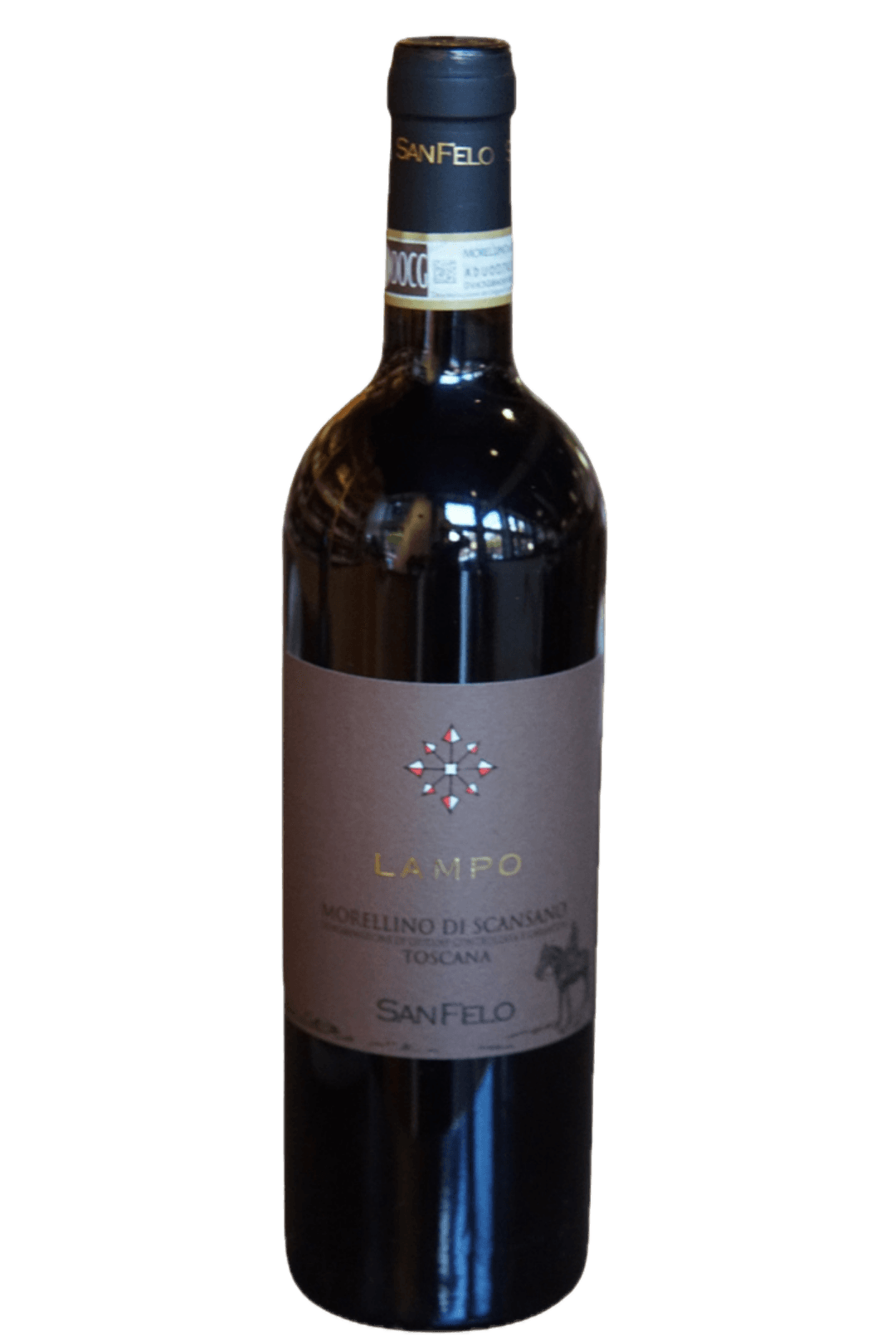
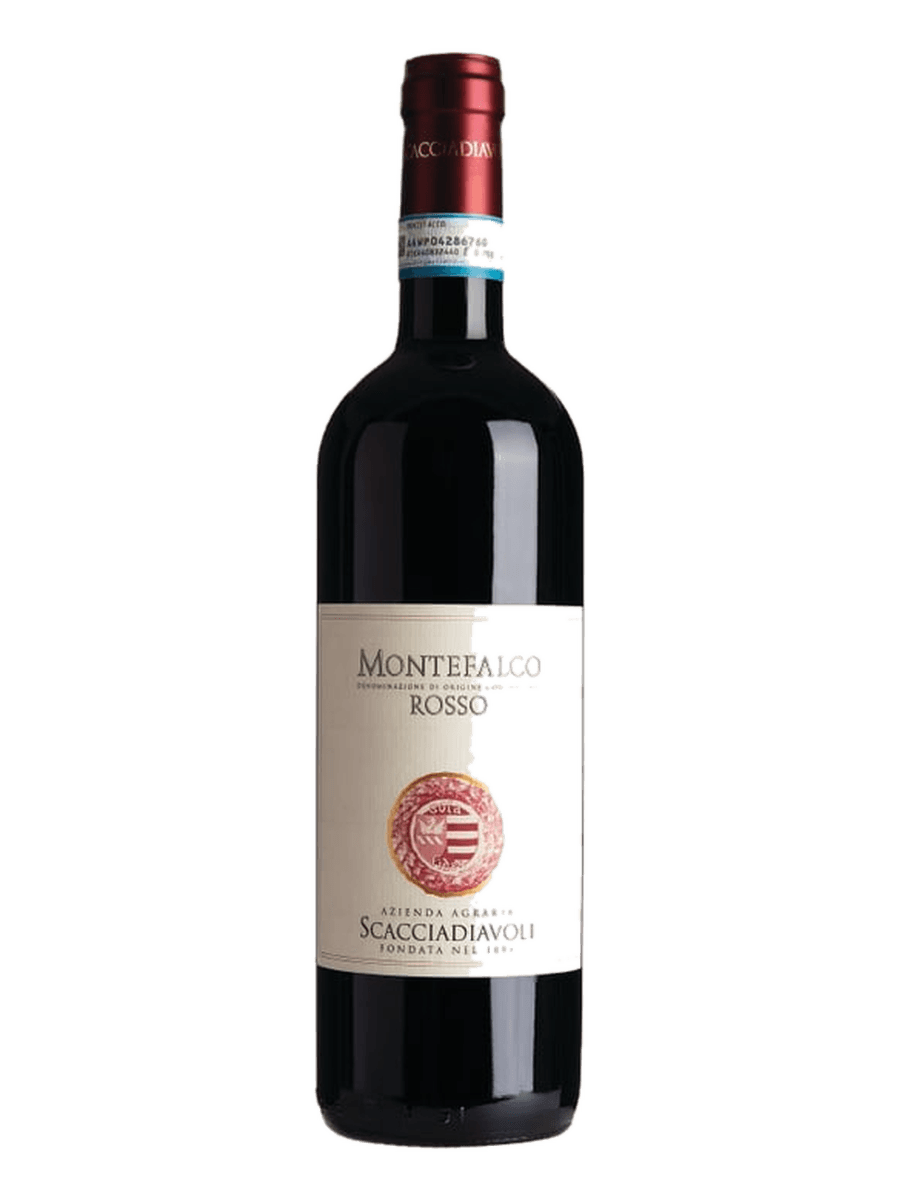
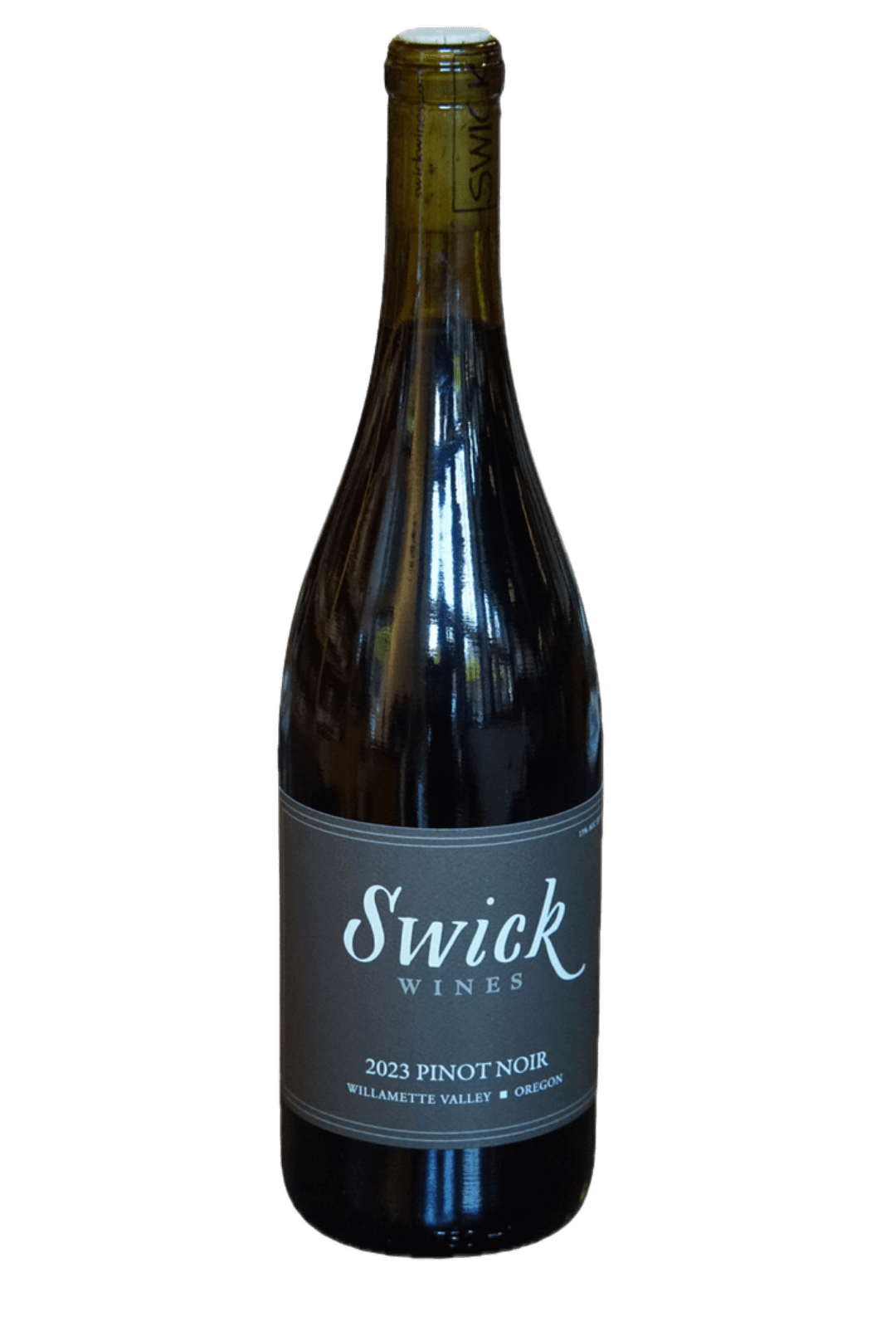
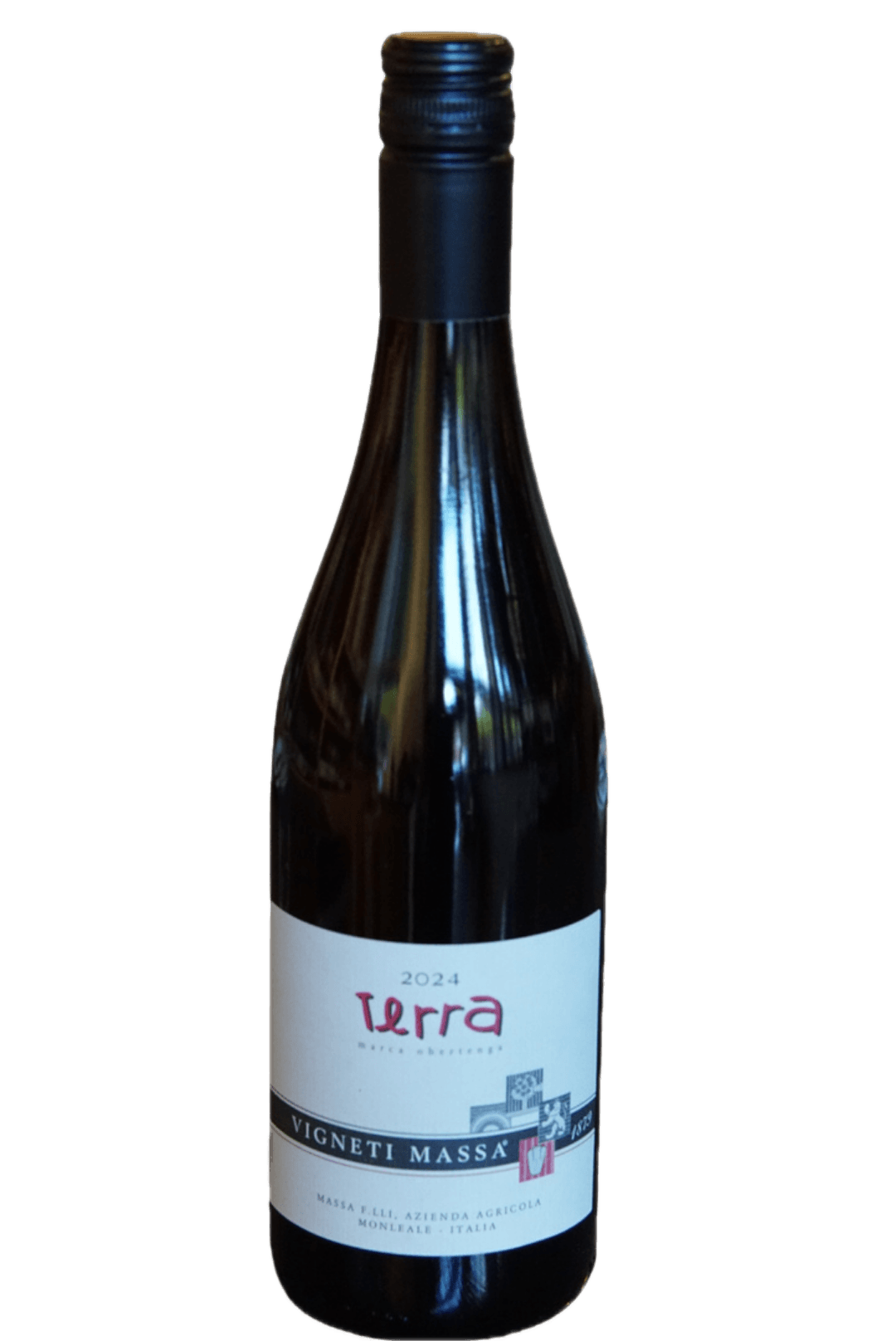
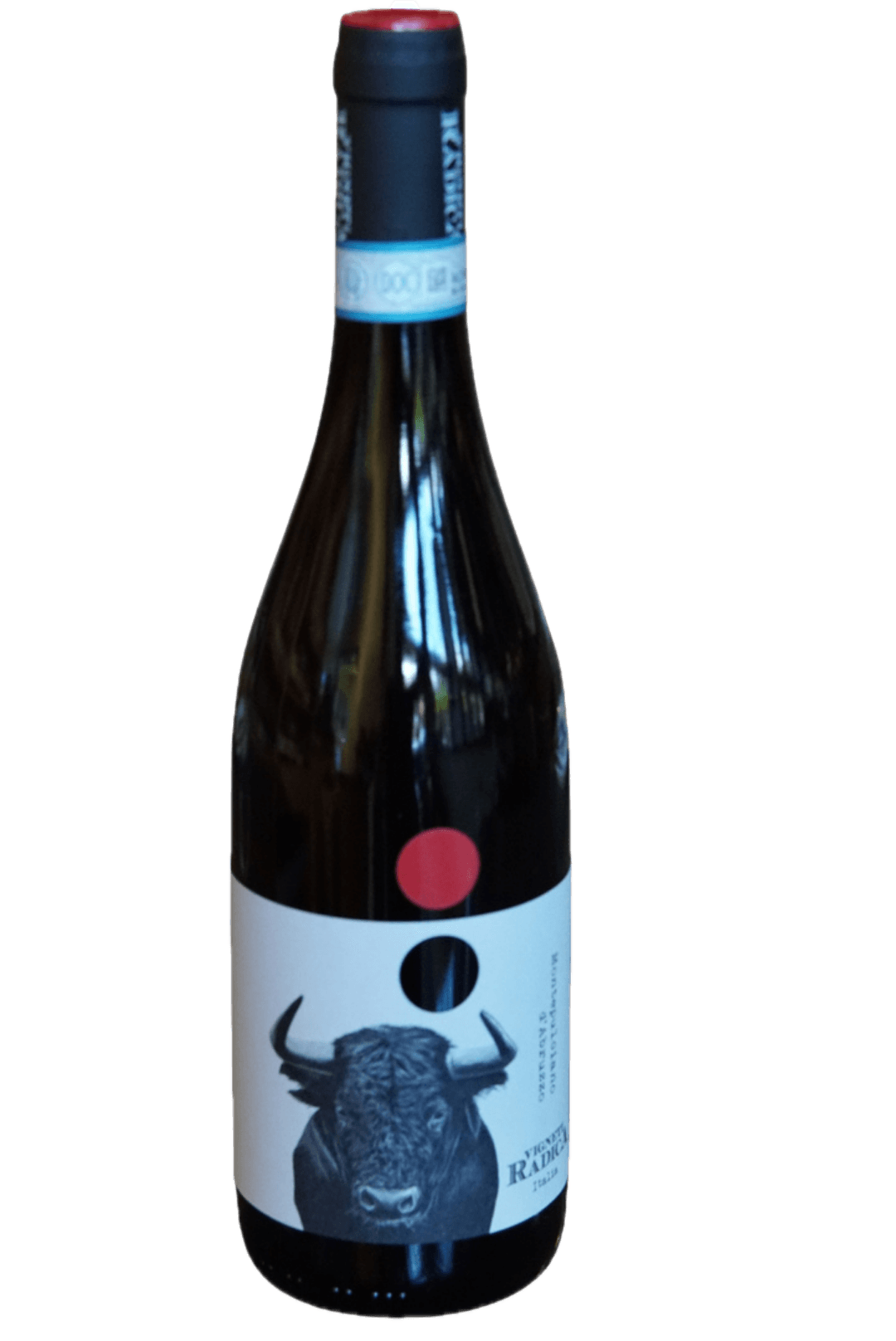
Current Light Red Bottles
Browse current light and bright reds available through the Bar Torino bottle shop before reading the deeper style and pairing notes below.
The Philosophy
A Return to Pleasure
For most of the late twentieth century, the wine world moved in one direction: bigger, darker, riper, more concentrated. The dominant aesthetic was power.
Critics rewarded extraction. Consumers equated quality with intensity. The ideal red wine was inky, tannic, high in alcohol, and required years in a cellar before it was even approachable.
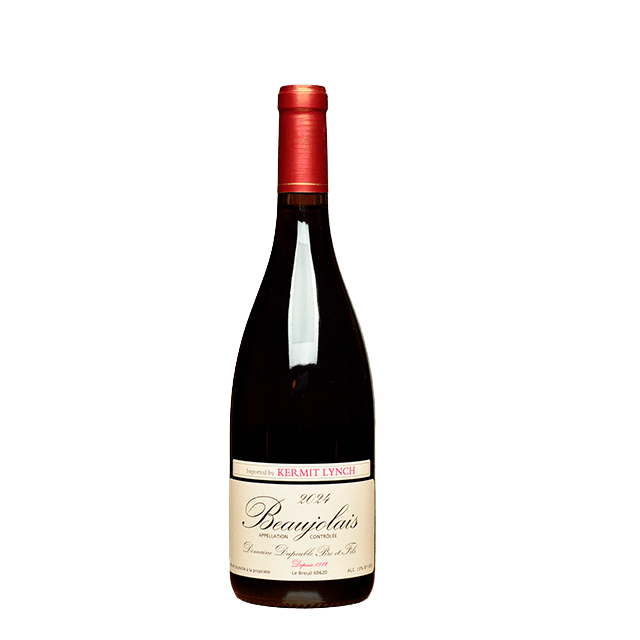
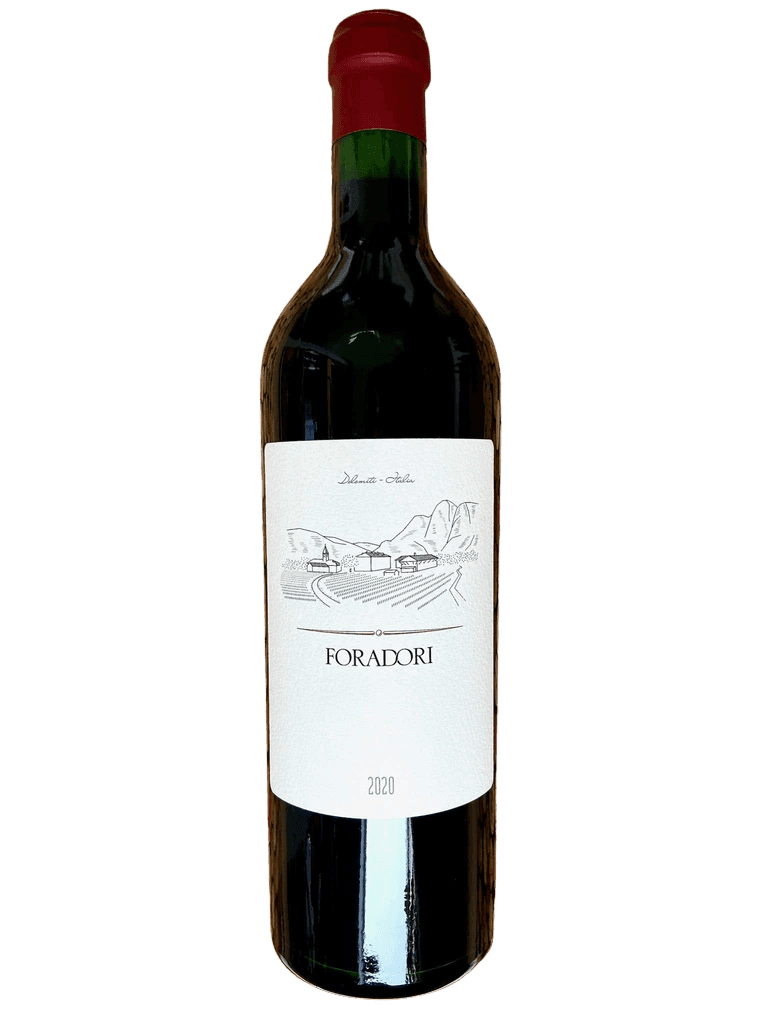
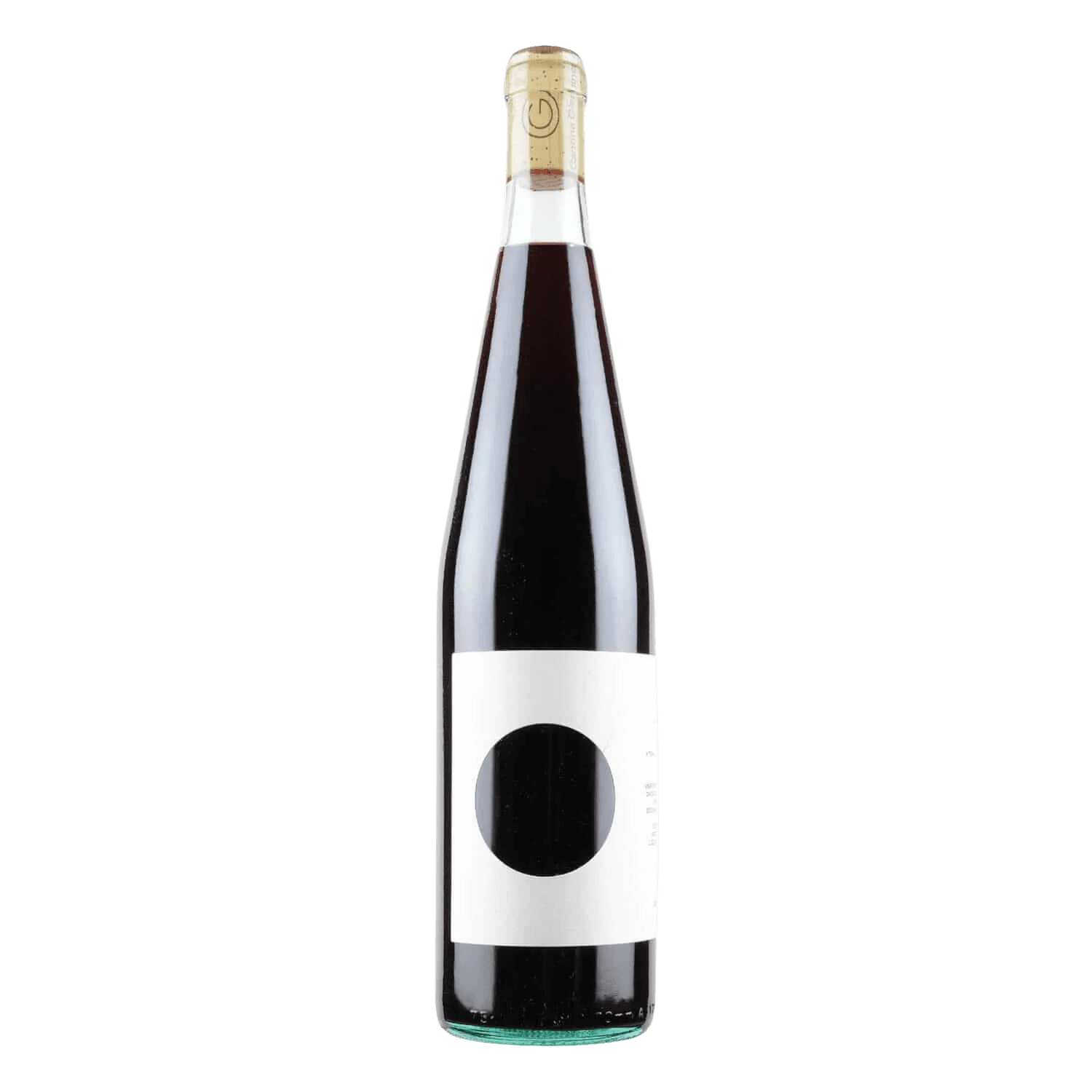
The correction, when it came, arrived quietly and from multiple directions at once. In Beaujolais, a new generation demonstrated that Gamay could produce wines of startling purity and depth without heaviness. In Trentino, Elisabetta Foradori proved that Teroldego could produce wines of genuine profundity. And in Campania, Cantina Giardino rescued old vines of Aglianico from abandonment.
"Extract flavor without weight. Preserve freshness. Let the grape and the place speak clearly."
The Movement
What These Wines Share
These are wines that invite you to pour a second glass before the first is finished, wines that pair with food rather than competing with it, wines that can be served slightly chilled and drunk with the kind of casual pleasure that heavy reds rarely permit.
Transparency
Complexity achieved through clarity rather than concentration, through delicacy rather than force.
Drinkability
Prioritizing pleasure over impressiveness. Wines that accompany a meal rather than dominate it.
Authenticity
Letting the grape and the place speak clearly. Natural winemaking that respects tradition.
The Craft
How Light Reds Are Made
The techniques used to produce light, bright red wines are inversions of conventional methods. Where heavy reds prioritize extraction, light reds prioritize restraint. The goal is to take different things from the grape: aromatic compounds, fresh fruit character, and vibrant acidity rather than deep color and heavy tannin.
Carbonic maceration is the technique most closely associated with light red winemaking. Whole, uncrushed clusters are placed in a sealed tank blanketed with carbon dioxide. Intracellular fermentation begins inside each intact berry, producing distinctive fruity, floral aromatics and very soft tannins.
Short Maceration
Rather than weeks of skin contact, light red winemakers macerate for only a few days, extracting enough color and flavor without heavy tannins. This works particularly well with Aglianico.
Neutral Vessels
Stainless steel, concrete, old wood, or clay amphora. These vessels impart no flavor of their own, allowing the grape's inherent character to come through unobscured.
Cool Fermentation
Cooler fermentation temperatures preserve volatile aromatic compounds and produce the bright, perfumed character that defines the style.
The Varieties
The Grapes
Gamay
The grape of Beaujolais and one of the most underappreciated red varieties in the world. In 1395, Philip the Bold banished Gamay from Burgundy to make room for Pinot Noir. That act of banishment turned out to be a gift: Gamay produces far better wine on Beaujolais's granite soils.
Strawberry, raspberry, cherry, violet, peony, mineral
Teroldego
Trentino's most important red grape. Genetically the uncle of Syrah with links to Pinot Noir. Grown almost exclusively in the Campo Rotaliano, producing wines of dark color with aromas of wild berries, blue plums, violets, and peppery spice.
Wild berries, blue plum, violet, wet earth, pepper
Aglianico
In conventional winemaking, one of Italy's most powerful grapes, called "the Barolo of the South." But in the hands of natural wine producers like Cantina Giardino, Aglianico transforms into something lighter, wilder, more aromatic, and more immediately drinkable.
Iron, sour cherry, wild herbs, earth, minerality
The Terroirs
The Key Regions
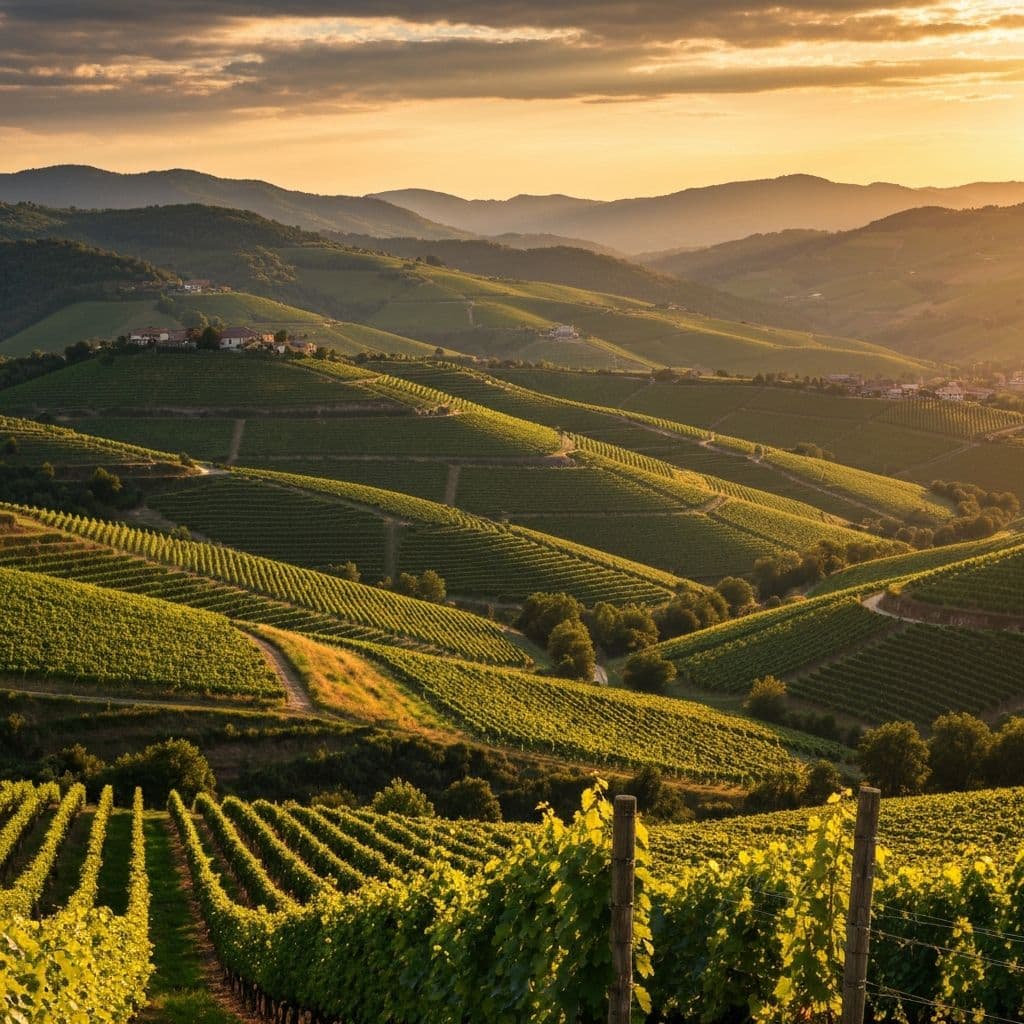
Beaujolais, France
Rolling hills in eastern France, south of Burgundy. Where Burgundy sits on limestone, Beaujolais sits on granite in the north. Jules Chauvet, the father of the natural wine movement, was a Beaujolais producer who advocated for organic farming and native-yeast fermentation.
Trentino, Italy
Italy's northernmost wine region, a narrow Alpine valley between the Dolomites. The Campo Rotaliano is a flat alluvial plain where layers of gravel, sand, and stone from the mountains create wines of remarkable originality. Foradori stands alone as a champion of indigenous grapes.
Irpinia, Italy
The mountainous, landlocked interior of Campania. The 1980 earthquake left countless old vineyards abandoned, and those vines became the foundation of the natural wine movement. Volcanic soils rich in minerals and iron contribute wines of genuine distinctiveness.
At the Table
Food Pairing
Light reds are arguably the most versatile food wines in the red wine category. Their moderate tannins, bright acidity, and aromatic intensity allow them to pair with a far wider range of dishes than heavier reds.
Charcuterie
Salt and fat demand acidity to cut through the richness
Grilled Sausages
Proteins with flavor but not overwhelming richness
Roasted Chicken
A slightly chilled Gamay alongside herbs is pure pleasure
Mushroom Dishes
Earthy, savory qualities harmonize beautifully
Soft Cheeses
Acidity cuts through creaminess, fruit complements dairy
Pizza
Margherita with Gamay, soppressata with Teroldego
How to Enjoy
Serving Light Reds
The most important thing to understand: serve them cool. Not cold, but cooler than conventional red. The ideal range is 14-16°C (57-61°F). Thirty minutes in the refrigerator before serving is usually sufficient.
14-16°C
Temperature
30
Min in Fridge
5-10
Years Aging
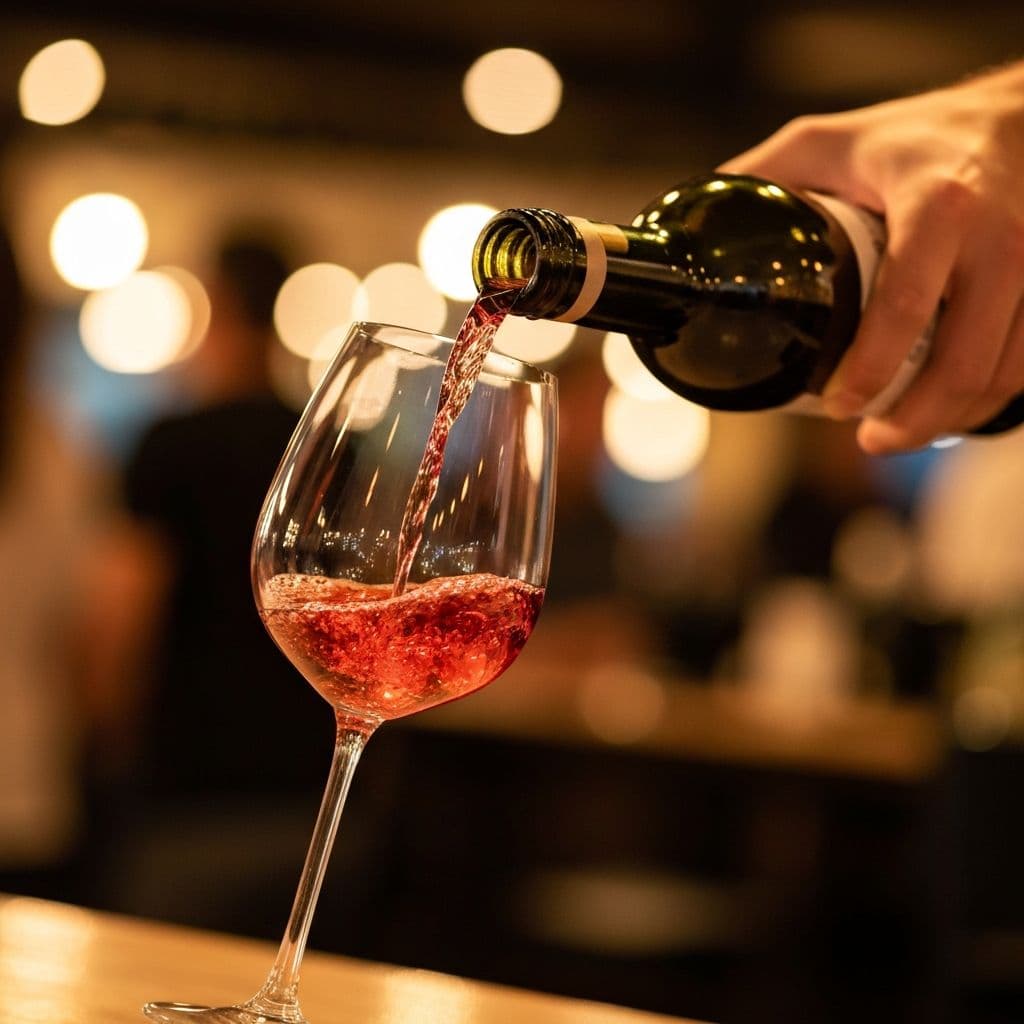
Find a bottle for the table.
Discover our curated selection of light reds from Beaujolais, Trentino, and Campania.